
Car Accesories
Best Car Seat Covers (Tested & Reviewed)

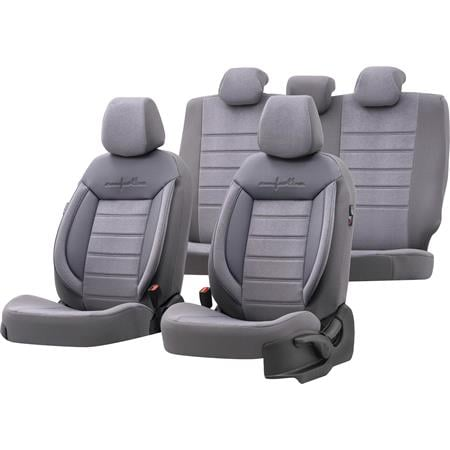
One of the easiest yet most efficient interior car seat improvements is a car seat cover. The correct seat cover may significantly improve the comfort, appearance, and longevity of your car seats, regardless of whether you wish to shield them from spills, dirt, pet hair, perspiration, or regular use. There is a solution for every driver, every family, and every lifestyle thanks to the abundance of options available today, which include waterproof dog seat covers, elegant leather coverings, breathable fabric designs, and baby-friendly seat protectors.
You are already aware of how untidy car seats may get if you frequently travel with pets. Drool, mud, hair, and scratches can quickly destroy the upholstery. For pet owners looking for long-lasting, waterproof protection, and simple washing, dog car seat covers have become essential.
In a similar vein, parents of infants or young children require additional security against spills, food particles, diaper accidents, and bottle leaks. In addition to protecting your upholstery from ongoing filth, baby car seat covers and seat protectors give your child’s car seat a firm, non-slip surface.
The greatest choices for daily use, the best dog car seat covers for pets, and the most dependable infant seat coverings for families are all covered in this extensive guide to the best car seat covers on the market today. Whether your objective is heavy-duty protection, comfort, durability, or aesthetics, this guide will assist you in selecting a seat cover that meets your specific requirements.
Read also: Best Car Vacuum Cleaners (Tested & Reviewed)

Why You Need Car Seat Covers
Car seat covers are useful additions that assist maintain and improve the inside of your car, not merely ornamental pieces. The appropriate seat covers may significantly enhance your driving experience and prolong the life of your seats, regardless of whether you drive frequently, commute long distances, travel with pets, or have young children.
Protect Your Seats From Damage
Car seats are subjected to continuous pressure, friction, and weather. The leather or fabric can easily deteriorate, fade, fracture, or rip if it is not protected. Seat covers serve as a protection against:
- UV rays that cause fading
- Sweat from hot weather
- Friction that thins out the fabric
- Food crumbs and spills
- Dirt and mud from shoes
If your seats are light-colored or composed of high-quality materials like leather, this protection becomes even more crucial.
Keep Your Car Clean and Fresh
Comfort and hygiene are enhanced by a clean car interior. Because seat covers can be taken off and cleaned, maintaining cleanliness is made easy. This is particularly helpful for:
- People who work out and sweat
- Drivers who eat or drink in the car
- Families with kids who frequently spill snacks
- Pet owners dealing with fur, mud, or drool
You can keep your inside looking new without having to pay for regular professional cleaning when you use washable covers.
Enhance Comfort and Aesthetics
In addition to providing protection, seat covers can greatly enhance the appearance and feel of your car. A high-quality pair of covers can quickly update your interior if your original seats are old, unpleasant, or worn out. You may personalize your comfort and look with options including leather, neoprene, breathable mesh, and cushioned covers.
Essential for Pet Owners
It is essential to have a car seat cover while traveling with dogs. Dogs may slobber or have mishaps, shed fur, bring in dirt, and scratch the chairs. With features like these, dog car seat covers are specifically made to address these issues.
- Waterproof coating
- Non-slip backing
- Scratch-resistant material
- Hammock-style protection for the entire backseat
They protect your upholstery and make cleanup effortless.
Must-Have for Parents with Babies and Toddlers
Your seats may sustain stains, spills, and permanent dents from baby seats and toddler boosters. While toddlers may drop snacks or suffer diaper leaks, babies may spill food, milk, or juice. Car seat coverings for babies provide:
- Waterproof protection
- Non-slip surfaces to keep the baby seat steady
- Thick padding to prevent seat indentations
- Easy cleaning after messes
They help maintain hygiene while safeguarding your car’s resale value.
Increase Your Car’s Resale Value
When selling or trading in a car, a well-kept interior creates a big impression. The condition of the seats is always the first thing that buyers look at, and immaculate seats frequently provide you more negotiating leverage. You can maintain the long-term worth of your car by maintaining the original upholstery clean and safe.
Types of Car Seat Covers
Car seat coverings are available in a variety of fit types, styles, and materials. Choosing the ideal fit for your lifestyle, car model, and particular requirements—whether you’re traveling with dogs, protecting your seats from spills caused by babies, or driving every day—will be made easier if you are aware of these areas.

Check Current Deals On Amazon Before Prices Change
The majority of cars, including sedans, SUVs, and trucks, may use universal seat covers. Because they are inexpensive and simple to install, they are the most widely used choice.
Best for:
- Budget-conscious drivers
- Quick seat upgrades
- Basic protection
Pros:
- Widely available
- Many designs and colors
- Easy to remove and wash
Cons:
- May not fit snugly on all seats
- Can shift if not secured properly

Check Current Deals On Amazon Before Prices Change
Custom-fit coverings are made especially for the model and form of your car’s seat. They offer excellent protection and a factory-like fit.
Best for:
- Drivers who want a premium look
- Cars with unique seat shapes
- Long-term use
Pros:
- Perfect fit
- No slipping or bunching
- Compatible with airbags and seat controls
Cons:
- More expensive
- Longer delivery and installation time
Leather & Faux Leather Seat Covers

Check Current Deals On Amazon Before Prices Change
These seat covers are perfect for giving the interior of your automobile a high-end, opulent vibe. For drivers who choose durability and flair, they work well.
Best for:
- Luxury interior upgrades
- Spill protection
- Easy cleaning
Pros:
- Stylish and elegant
- Water-resistant
- Easy to wipe clean
Cons:
- Can get hot in warm climates
- Less breathable than fabric

Check Current Deals On Amazon Before Prices Change
Fabric covers are comfortable and breathable, while neoprene (wetsuit material) is waterproof and durable.
Best for:
- Everyday comfort
- Drivers in rainy or humid areas
- Active lifestyles (gym-goers, swimmers)
Pros:
- Breathable and soft
- Good for long drives
- Neoprene offers strong waterproof protection
Cons:
- Fabric absorbs spills if not treated
- Neoprene can be pricier

Check Current Deals On Amazon Before Prices Change
These are padded, thick covers that are meant to make long trips more comfortable and less taxing. Some have ergonomic support or memory foam.
Best for:
- Long-distance drivers
- Older cars with worn seats
- Drivers with back or hip pain
Pros:
- Very comfortable
- Adds support and padding
- Enhances aesthetics
Cons:
- Bulkier than regular covers
- Slower to clean if heavily cushioned
Dog Car Seat Covers (Hammock, Bench & Bucket Styles)
Dog seat covers are built specifically for pet owners. They come in several styles:

Check Current Deals On Amazon Before Prices Change
Attach from the headrests of the front and rear seats, creating a protective “hammock” that blocks dogs from falling into the footwell.
Bench Seat Dog Covers
Cover the entire backseat surface, ideal for large dogs.

Check Current Deals On Amazon Before Prices Change
Designed for single seats, good for small dogs or front-seat protection.
Best for:
- Keeping dog hair, mud, drool, and scratches off the seats
- Road trips with pets
Pros:
- Waterproof and scratch-proof
- Non-slip backing keeps pets stable
- Protects full coverage
Cons:
- Bulky storage when not in use
- Some dogs may chew cheaper materials
Baby / Child-Friendly Car Seat Protectors
These covers go under the baby’s car seat or booster to prevent dents, spills, and mess.
Best for:
- Parents with infants or toddlers
- Protecting against diaper leaks, spills, food crumbs
- Keeping car seats stable and slip-free
Pros:
- Waterproof and stain-resistant
- Thick padding prevents seat indentations
- Compatible with latches and seat belts
Cons:
- Must ensure safety compliance
- Some cheap versions slide around
Specialty Seat Covers (Sports, Heated, Cooling, etc.)
Some covers offer additional functionality such as heating, cooling, massage, or a sporty look.
Best for:
- Drivers in extreme weather
- Comfort-focused individuals
- Cars needing a sporty, modern interior
Read also: Top 5 Best Budget Dash Cam (Tested & Reviewed)
Key Features to Look for Before Buying Car Seat Covers
Material Quality
The longevity and comfort of a seat cover are determined by its material. While neoprene offers superior waterproof protection for active lives or wet locations, leather and fake leather offer a premium appearance and resist spillage. Mesh and fabric materials are better for long rides since they are more breathable. Select a material according to your daily activity and comfort requirements.
Water Resistance
Water resistance is crucial if you frequently eat in your car or travel with children or pets. Waterproof covers shield your chairs from perspiration, pet mishaps, drink spills, and baby bottle leaks. Oxford cloth and neoprene are two of the greatest choices for robust liquid protection.
Comfort & Breathability
Your driving experience is impacted by comfort, particularly on lengthy journeys. Better ventilation is provided with breathable fabric and mesh covers, which lessen heat accumulation. For drivers with back pain and daily commuters, cushioned or padded coverings provide additional assistance.
Durability & Scratch Resistance
If your vehicle seats are used frequently or have pets, durability is important. Dog owners should select covers with scratch-resistant surfaces, anti-tear fabric, and reinforced stitching. These shield your upholstery from frequent movement, claws, and jumping.
Ease of Installation & Cleaning
A quality seat cover should be simple to install and maintain. Keep an eye out for machine-washable materials, non-slip backing, and adjustable straps. Additionally, seat protectors for dogs and babies should be simple to vacuum and clean up after spills.
Airbag & Seat Belt Compatibility
There should never be a compromise on safety. Verify that the seat cover does not obstruct seat-mounted airbags and is compatible with airbags. In order to prevent instability, parents should make sure baby seat coverings are compatible with seat belts and latch systems.
Odor & Moisture Resistance
Maintaining a fresh-smelling interior is made easier with materials that are resistant to moisture and aromas. This is particularly crucial for drivers and pet owners who frequently perspire or spill alcohol. The finest materials to stop odors from setting are neoprene and waterproof materials.
Extra Padding for Babies & Long Drives
To prevent indentations and maintain the stability of the car seat, baby seat protectors should have substantial cushioning. Padded or memory foam covers offer better comfort and posture support for long-distance drivers.
Fit Type
Although they are reasonably priced and suitable for the majority of cars, universal-fit covers might not fit completely. Although they are more expensive, custom-fit coverings provide superior protection and a tight, factory-like appearance. Make a decision depending on your budget and aesthetic preferences.
Aesthetic Appeal
Lastly, think about the cover’s appearance. The look of your home is influenced by the stitching style, color, and texture. Fabric offers a warm, inviting feel, and leather adds elegance. Select a style that reflects the character of your vehicle.
Best Car Seat Covers for Most Drivers (Top 5 Picks)
It can be difficult to choose the best car seat cover, but these top choices combine comfort, style, and longevity. Every cover can be used for a variety of purposes, from heavy-duty protection to daily commuting.
Pick 1 – Best Overall Car Seat Cover: FH Group Universal Fit

Check Current Deals On Amazon Before Prices Change
Because it strikes a balance between quality, cost, and design, the FH Group Universal Fit seat cover is a popular choice overall. It is available in a variety of hues and materials, such as cotton, leatherette, and neoprene.
Pros:
- Universal fit for most vehicles
- Easy to install
- Affordable
- Washable and durable
Cons:
- May shift slightly on some seats
- Fabric version less waterproof
Pick 2 – Best Budget Seat Cover: Leader Accessories Universal

Check Current Deals On Amazon Before Prices Change
Leader Accessories provides an affordable, lightweight solution without compromising on quality. Perfect for inexperienced drivers and those seeking prompt seat protection.
Pros:
- Very affordable
- Easy installation
- Available in multiple colors
Cons:
- Thin padding may reduce comfort
- Shorter lifespan than premium covers
Check Current Deals On Amazon Before Prices Change
Pick 3 – Best Premium Leather Seat Cover: BDK Premium Leather

Check Current Deals On Amazon Before Prices Change
The high-quality leather seat covers from BDK give your automobile a luxurious appearance while shielding its inside. Ideal for people who desire longevity, style, and ease of cleaning.
Pros:
- Sleek leather design
- Waterproof and stain-resistant
- Custom-fit options available
- Comfortable and supportive
Cons:
- Pricier than universal options
- Can get hot in summer
Pick 4 – Best All-Weather Neoprene Seat Cover: Rough Country Neoprene

Check Current Deals On Amazon Before Prices Change
Rough Country Neoprene seat covers are made for outdoor living and longevity. They are perfect for families or pet owners because they are dirt-resistant and waterproof.
Pros:
- Heavy-duty, long-lasting material
- Waterproof and easy to clean
- Non-slip backing
- Resistant to pet hair and scratches
Cons:
- Slightly bulkier
- Limited color options
Best Universal Fit Seat Cover: Zone Tech Car Seat Cover

Check Current Deals On Amazon Before Prices Change
Zone Tech covers are universal-fitting, simple-to-install covers that shield your car seats from wear, spills, and dust. They have many designs, are breathable, and are comfortable.
Pros:
- Affordable and versatile
- Comfortable for long drives
- Washable and quick to install
Cons:
- Fit may not be perfect on all vehicles
- Not as durable as premium leather or neoprene
Best Dog Car Seat Covers (Top 3 Picks)
Pick 1 – URPOWER 6‑in‑1 Waterproof Dog Seat Cover

Check Current Deals On Amazon Before Prices Change
Why it’s great: This is a super versatile cover that can transform into a hammock, bench seat cover, cargo liner, picnic mat, or even a dog barrier. As noted by reviewers, the 6‑in‑1 design gives you flexibility depending on what you’re doing.
Key features: Made of heavy-duty 600D Oxford fabric, it’s waterproof and scratch-resistant. It has a mesh window for airflow and visibility, non-slip backing to keep it in place, and adjustable straps + anchors for secure installation.
Pros:
- Very versatile configuration
- Excellent protection (water, claws, dirt)
- Easy to install and remove
- Non-slip design adds safety for your dog
Cons:
- Might be bulkier to store when not in use
- Some might find the hammocking mode less stable in certain cars
Vailge Waterproof Dog Seat Cover (Hammock / Bench)

Check Current Deals On Amazon Before Prices Change
Why it’s great: This cover offers full backseat protection with a hammock-style design, while also allowing conversion to a bench seat cover — perfect for when you want to share the back seat with people or kids.
Key features: It uses two waterproof layers (600D Oxford fabric + TPU) for full leak protection. It also includes side flaps to protect the car doors, and a mesh window so your dog can see through to the front seat.
Pros:
- 100% waterproof design
- Protects doors via zippered side flaps
- Scratch-resistant and durable fabric
- Mesh window promotes airflow and comfort
Cons:
- May be a little large for very small cars
- Slightly more expensive than basic single-layer covers
Pick 3 – K9 Ballistics Tough Rip‑Stop Dog Back Seat Cover

Check Current Deals On Amazon Before Prices Change
Why it’s great: If durability is your top concern (for example, if you have a big or very active dog), this one is built like a tank. The rip-stop fabric is specifically designed to resist claws, and it holds up to heavy use.
Key features: Made from K9’s proprietary rip-stop material, this cover is machine-washable and supports both bench and hammock styles. It also includes a mesh view panel so you and your dog can maintain visual contact.
Pros:
- Extremely tough and tear-resistant
- Multi-style (hammock + bench) for flexibility
- Secure fit with straps and seat anchors
- Easy to clean
Cons:
- Heavier than standard covers
- Higher price point due to premium material
Best Baby Car Seat Covers (Top 3 Picks)
Pick 1 – Munchkin Brica Elite Seat Guardian / Seat Protector

Check Current Deals On Amazon Before Prices Change
Why it’s great:
This crash-tested car seat protector is made especially to shield the upholstery of your car from scratches, spills, and indentations when you’re using a baby car seat. It is composed of sturdy vinyl with raised edges that aid in liquid containment, and cutouts provide access for LATCH connectors.
Key features:
- Durable, easy-to-clean vinyl material
- Raised lip to catch spills
- Cut-out slots for LATCH or seat belts
- Anti-slip backing or dual grip for stability
Pros:
- Resists stains, crushing, and messes
- Very easy to wipe clean
- Protects heavy-use areas of the car seat
- Stable base helps prevent sliding of child car seat
Cons:
- Vinyl may feel less luxurious than fabric
- Fit may not be truly universal
- Thicker protector may slightly reduce the tightness of harness install, so always check car‑seat manual
Pick 2 – SERAPHY 100% Muslin Cotton Car Seat Cover

Check Current Deals On Amazon Before Prices Change
Why it’s great:
This is not so much a base protector as it is a “canopy” or shade-style cover. Made entirely of muslin cotton, it provides breathable defense from the sun, wind, and curious observers. This product is highlighted by BabyGearsGuru for having a lightweight, soft construction that is perfect for comfort and ventilation.
Key features:
- Stretchy muslin fabric for flexible coverage
- 360° protection for the seat and baby
- Velcro straps for secure fit
- Lightweight and breathable
Pros:
- Excellent ventilation and breathability
- Soft and gentle on baby’s skin
- Multipurpose — can be used as a nursing cover, stroller cover, or high‑chair cover
- Machine washable (depending on model)
Cons:
- Not designed to protect the car seat’s upholstery (only covers the baby)
- Light fabric offers minimal thermal insulation
- Velcro straps may wear down over time
Pick 3 – BeSafe Child Seat Cover
Check Current Deals On Amazon Before Prices Change
Why it’s great:
BeSafe’s cover is more sophisticated; it fits beneath the child car seat and uses foam padding to help absorb pressure and avoid indentations. According to the manufacturer’s handbook, it can be carefully cleaned in accordance with their care guidelines and protects without compromising safety.
Key features:
- Polyester cover + polyethylene foam interior
- Crash-tested design (by BeSafe)
- Non-slip backing
- Washable (gentle wash, flat dry)
Pros:
- Helps preserve car upholstery from child seat base imprint
- Provides a stable but cushioned base for the child seat
- Doesn’t interfere with LATCH or safety belt installation
- Foam reduces harsh pressure on car seats
Cons:
- Adds a small amount of height / cushion, so you need to verify compatibility with your car seat manual
- Requires gentle washing — not fully machine-rugged
- May be more expensive than generic protectors
Frequently Asked Questions on Best Car Seat Covers
Are car seat covers safe to use with airbags?
Yes, the majority of contemporary seat covers are made to be airbag compatible, which means they won’t obstruct the front or side airbags. Always look for the phrase “airbag compatible” in the product description. Coverings that completely enclose the seat and have no airbag apertures should be avoided as they may jeopardize safety during deployment.
How do I choose the right size car seat cover?
Universal fit and Custom fit are the two primary varieties. While custom-fit covers are produced for particular car models and seat shapes, universal covers are compatible with the majority of automobiles but may cause some shifting. To make sure your seat fits snugly, measure its dimensions or refer to the manufacturer’s fitting recommendations.
Can car seat covers be washed?
Yes, it varies depending on the material. Neoprene and fabric cover can be hand-washed or machine-washed. Use a moist cloth and mild soap to clean leather or imitation leather covers. To prevent harming the material, always adhere to the manufacturer’s care instructions.
Will dog seat covers protect my seats from scratches and hair?
Of course. Heavy-duty, scratch-resistant fabrics like Oxford cloth, rip-stop polyester, or neoprene are used to make dog car seat covers. To keep hair, dirt, and liquids from getting to your seats, the majority also have waterproof layers and non-slip backing. A rip-stop or strengthened cover is advised for large or energetic dogs.
Are baby car seat protectors safe to use?
Yes, with careful selection. Baby seat coverings are made to fit behind the car seat and shield your upholstery from crumbs, spills, and indentations. Always adhere to the manufacturer’s instructions for both the car seat and the protector, and make sure the protector doesn’t interfere with the LATCH system or seat belt installation.
Can seat covers fit bucket seats, bench seats, or SUVs?
Yes, the majority of coverings are made to fit various kinds of seats. While custom-fit alternatives are made to match a particular seat type and car model, universal-fit coverings are adaptable for bucket, bench, and rear seats. Always make sure the product is compatible with your car by reading the description.
How often should I clean my car seat covers?
Cleaning every month is advised for frequent use. Depending on how untidy their children or pets are, parents or dog owners may require weekly cleaning. Frequent cleaning prolongs the life of the cover and helps avoid stains, odors, and bacterial growth.
Does car seat cover affect comfort during long drives?
By providing support or padding, a high-quality seat cover can improve comfort. Extra comfort is provided by materials like memory foam, neoprene, or cushioned fabric, while overheating is avoided by breathable fabrics. Thin or ill-fitting covers can bunch up and be uncomfortable, so stay away from them.
Are waterproof covers completely leak-proof?
No cover can provide 100% protection from severe or extended soaking, however waterproof covers guard against spills and moderate wetness. Select multi-layer waterproof designs with reinforced stitching and water-resistant backing for durable protection.
Can I install car seat covers myself?
Yes, using straps, hooks, or anchors makes installing the majority of dog and universal seat coverings simple. Although they may take longer, custom-fit covers may typically be placed without expert assistance. To guarantee correct fit, stability, and safety, always adhere to the installation instructions.
Conclusion
Whether you’re a parent with little children, a pet owner, or a daily driver, selecting the appropriate car seat cover protects your car, improves comfort, and keeps your interior looking new. There is a cover for every need and budget, ranging from premium everyday solutions to spill-proof baby seat coverings and sturdy dog seat covers.
Purchasing a high-quality seat cover protects your car’s resale value in addition to saving you cleaning time. Discover the ideal blend of comfort, protection, and design for your automobile right now by looking at our suggested choices above.
Related Posts:


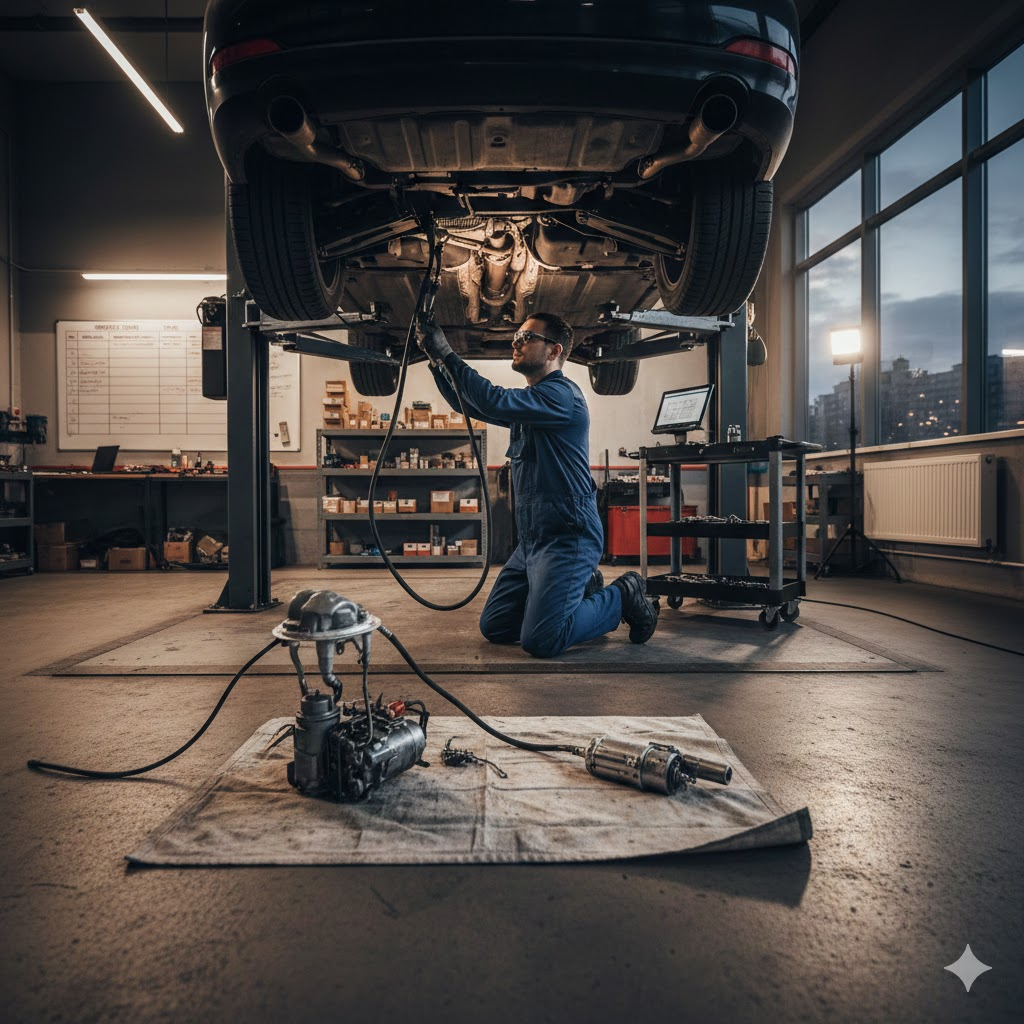
Although it might not be the first thing drivers consider when maintaining their car, a fuel pump is one of the most important parts that keeps the engine operating efficiently. Delivering fuel from the tank to the engine at the proper pressure is its straightforward but crucial task. The symptoms of a failing fuel pump can rapidly worsen, from rough idling and sputtering to total engine shutdown, frequently leaving drivers stranded or with unanticipated repair costs.
Whether you’re dealing with early warning signals or getting ready for periodic maintenance, it’s critical for any car owner to understand the cost of replacing their fuel pump. The type of vehicle, the quality of the parts, and the location of the repair can all have a significant impact on the cost. It’s simple to overpay or consent to needless services if you don’t have the correct information.
We go over all you need to know about fuel pump replacement costs in 2026 in this extensive guide. You will discover the normal cost of the repair, the variables that affect price, typical indicators of pump failure, how technicians identify the problem, and useful advice to help you save money. This resource, which is supported by real-world facts and professional insights, is intended to provide you with confidence and clarity before you visit the repair shop.

What Does a Fuel Pump Do?
One of the most crucial parts of your car’s gasoline distribution system is the fuel pump. Its main function is to transfer gasoline at the exact pressure required for optimal combustion from the gas tank to the engine. Your engine cannot start, accelerate, or run consistently without fuel coming from a fuel pump that is operating properly.
Electric fuel pumps, which are usually found inside the fuel tank, are essential to modern automobiles. In order to support the sophisticated fuel injection systems of today, these pumps maintain constant fuel pressure.
Mechanical gasoline pumps installed on the engine block may be seen in older cars, particularly those with carbureted engines. Electric pumps are more durable and efficient than mechanical pumps, but they are also more complicated and expensive to maintain.
A well-functioning fuel pump ensures:
-
Proper engine performance
-
Stable fuel pressure during acceleration and high-speed driving
-
Efficient fuel combustion
-
Smooth idling and consistent power delivery
The pressure decreases or fluctuates when a fuel pump begins to malfunction. Common problems including hard starting, slow acceleration, sporadic stalling, and even total engine shutdown result from this.
Knowing how the fuel pump functions is crucial because it enables you to see early warning indicators, assess whether a replacement is required, and comprehend why prices might differ significantly based on the kind of pump and where it is located in your car.
Read also:Best Fuel Injector Cleaner: Top Picks, Benefits, and Buying Guide
How Much Does a Fuel Pump Replacement Cost?
Depending on your car, the kind of pump it uses, and where you want the service done, the cost of replacing your fuel pump might vary greatly. Most drivers should budget between $400 and $1,500 for a full fuel pump replacement. This covers the price of the component as well as the labor needed to install it.
Due to their complexity and placement inside the fuel tank, electric fuel pumps—which are frequently found in contemporary cars—tend to be more costly. In certain vehicles, changing the pump necessitates completely removing the gasoline tank, which adds to the expense and work time. Usually present in older or carbureted vehicles, mechanical pumps are easier to replace and normally cost substantially less.
Average Fuel Pump Replacement Cost
For a typical passenger vehicle, here’s what you can expect:
-
Parts: $150 – $800
-
Labor: $150 – $700
-
Total Cost: $400 – $1,500
On the top end of the spectrum are luxury cars, trucks with bigger fuel tanks, and automobiles that need to have their tanks removed. Older models and small economy cars, on the other hand, usually cost far less.
Parts vs. Labor Cost Breakdown
A fuel pump replacement isn’t just about swapping out a single component. Depending on the vehicle, the job may involve:
-
Replacing the fuel pump assembly
-
Installing a new fuel filter (if separate)
-
Inspecting or replacing fuel lines
-
Cleaning the fuel tank
-
Resetting fuel pressure or running diagnostics
The largest expense is frequently labor, particularly when the pump is housed inside the tank. Repair businesses may work for one and a half to four hours.
Estimated Price Range by Vehicle Category
Here’s a general idea of what different types of vehicles may cost:
-
Economy cars: $350 – $700
-
Sedans: $450 – $900
-
SUVs/Crossovers: $600 – $1,200
-
Pickup trucks: $700 – $1,500
-
Luxury vehicles: $900 – $2,000+
You can compare service alternatives, assess repair shop quotations more effectively, and be ready for any unexpected costs that may arise if more parts need to be replaced if you comprehend the cost breakdown.
Fuel Pump Replacement Cost by Vehicle Type
The cost of replacing a fuel pump varies depending on the vehicle. The final cost may vary depending on the gasoline system’s design, tank size, accessibility, and pump type. To help you understand where your car might lie on the pricing range, a thorough overview of average expenditures depending on several vehicle types is provided below.
Economy Cars
Estimated Cost: $350 – $700
Smaller tanks and simpler fuel systems are typical with economy cars like the Ford Fiesta, Toyota Corolla, Hyundai Elantra, and Honda Civic. Because their electric fuel pumps are simple to access and replace, labor costs are reduced. Aftermarket pump choices are commonly available, and parts are generally reasonably priced.
Why economy cars cost less:
-
Smaller fuel pump assemblies
-
Easy tank access
-
Lower parts cost
-
Faster installation time
Mid-Size & Full-Size Sedans
Estimated Cost: $450 – $900
More sophisticated fuel injection systems are typically found in sedans, and some models use fuel pump modules that are integrated with sensors or regulators. The cost of parts may increase as a result of these additional components. Unless tank removal is necessary, labor is still moderate.
Common examples: Honda Accord, Toyota Camry, Nissan Altima, Chevrolet Malibu.
SUVs & Crossovers
Estimated Cost: $600 – $1,200
SUVs frequently have more intricate layouts, larger fuel tanks, and higher-pressure pump systems. Parts and labor expenses rise as a result. An additional one to two labor hours are required in many SUVs because the fuel tank must be lowered in order to access the pump.
Why SUV costs are higher:
-
Bigger tanks = longer labor
-
More robust high-pressure pumps
-
Limited access in compact SUV designs
Pickup Trucks
Estimated Cost: $700 – $1,500
Fuel pump replacement expenses for pickup vehicles, especially full-size versions, can be among the highest. They frequently need more labor because to their enormous gasoline tanks, heavy-duty fuel systems, and multilayer components. Additionally, trucks may have sophisticated pump modules that are more expensive to replace.
Common examples: Ford F-Series, RAM 1500, Chevy Silverado, Toyota Tacoma
Hybrid & Electric-Assisted Vehicles
Estimated Cost: $800 – $1,600+
Fuel pumps are still used by internal combustion engines in hybrid cars. These pumps, however, are frequently extremely specialized and designed to meet various pressure needs. Replacement parts are therefore typically more costly.
Examples: Toyota Prius, Honda Insight, Hyundai Ioniq hybrids
Why hybrids cost more:
-
Complex dual-powertrain systems
-
Integrated sensors
-
Limited aftermarket parts availability
Signs Your Fuel Pump Is Failing
You can avoid unplanned breakdowns and expensive towing costs by being aware of the early warning indicators of a faulty fuel pump. Since the fuel pump is in charge of providing the engine with a constant fuel supply, even little malfunctions might result in noticeable performance concerns. Early detection of these indications enables you to plan repairs before the pump totally fails.
The most typical indicators that your fuel pump might be malfunctioning are listed below.
Engine Sputtering at High Speeds
Engine sputtering at higher speeds is one of the first and most typical symptoms. This occurs when the engine briefly loses power due to the fuel pump’s inability to provide steady pressure. A failing pump is most likely the culprit if the issue gets worse over time.
Difficulty Starting the Vehicle
Your automobile may not be getting enough fuel from the fuel pump if it cranks but has trouble starting. A failed pump typically results in longer-than-normal cranking followed by poor starts, while weak batteries or defective spark plugs can produce similar problems.
Loss of Power During Acceleration
When there is a lot of demand, like accelerating from a stop, climbing a slope, or hauling large loads, a failing pump may choke. Inconsistent fuel pressure may be the cause if you experience your car lagging, hesitating, or suddenly losing power in these situations.
Frequent Stalling
Random stalling is a clear sign of problems with fuel supply, particularly while the engine is warm. Before it totally ceases operating, a failing gasoline pump may experience sporadic failures. It’s critical to get your car evaluated right away if it stalls frequently and without notice.
Poor Fuel Efficiency
The engine may use more fuel than is necessary if the fuel pump isn’t properly controlling the fuel pressure. A discernible decrease in miles per gallon (MPG) could indicate that the pump is providing fuel inefficiently or working harder than it should.
Engine Misfires
Misfires can result from low or irregular fuel pressure, particularly when accelerating. Ignition problems can cause misfires, but when paired with other fuel-related symptoms, a failed pump is a common culprit.
Engine Overheating
In certain cars, the engine may overheat due to a broken fuel pump, particularly if the pump depends on fuel for lubrication and cooling. Pump failure is frequently indicated by overheating along with sputtering or halting.
Whining or Humming Noise From the Fuel Tank
One of the most prominent signs is a loud whining, whirring, or buzzing sound originating from close to the gasoline tank. A loud, continuous whine typically indicates that the pump is under stress or is about to fail, albeit some noise is normal.
Should You Replace or Repair a Fuel Pump?
When a Repair Might Be Possible
Sometimes a fuel pump issue doesn’t call for a complete replacement. Sometimes electrical problems like a malfunctioning relay, blown fuse, or broken wire can be fixed without actually touching the pump. If there are small internal obstructions, older mechanical pumps may also need to be cleaned. Furthermore, a malfunctioning external pressure regulator or a clogged fuel filter might simulate pump failure; fixing these problems alone may restore appropriate gasoline delivery.
Why Replacement Is Often the Best Option
Electric in-tank fuel pumps, which are typically sealed components integrated into a fuel pump module, are used in modern automobiles. Because of the sensors, regulators, and internal filters in these modules, repairs may be challenging or impossible. A complete replacement is usually required when the pump’s motor weakens, the pressure falls below manufacturer requirements, or there are loud whining noises. Replacing the module guarantees that every part works correctly and stops recurring malfunctions.
Long-Term Benefits of Replacement
More dependability and long-term value are obtained by replacing the fuel pump. While repairs frequently come with no guarantees, new pumps are made to survive for many years and are covered by warranties. It is more economical to replace the entire assembly at once rather than fix a malfunctioning part and then have to do it again because reaching the pump typically necessitates removing the gasoline tank.
Risks of Delaying Replacement
Delaying an essential replacement can cause major issues. It can be hazardous to drive when a gasoline pump fails since it might result in abrupt stalling, engine roughness, or total shutdown. If ignored, it could also put additional stress on the fuel injectors and ignition system, raising the expense of repairs.
Making the Right Decision
The safest and best course of action for the majority of drivers is to replace the fuel pump. Installing a high-quality replacement when diagnostic testing reveals that the pump is malfunctioning guarantees steady fuel delivery, prevents further malfunctions, and gives drivers piece of mind while driving.
DIY Fuel Pump Replacement: Should You Try It?
Although it may seem like a tempting method to save money, replacing a fuel pump yourself is a difficult task. Modern electric in-tank fuel pumps in particular are complicated, and incorrect installation can result in major safety issues, engine damage, or even fire hazards. You may determine whether doing it yourself is feasible or if hiring a professional mechanic is a safer option by being aware of the hazards, difficulties, and equipment needed.
Skill Level Required
A moderate to advanced degree of vehicle repair experience is necessary for do-it-yourself fuel pump replacement. You should know how to work with electrical connections, engine parts, and pressurized fuel systems. Even minor errors, like breaking a wiring harness or not correctly sealing the gasoline tank, can lead to expensive repairs or hazardous circumstances. Professional installation is strongly advised for people without any prior automotive experience.
Tools and Equipment Needed
Specialized tools are usually needed to replace a fuel pump. A fuel line disconnect kit, socket and wrench sets, jack stands or a lift, screwdrivers, and occasionally a fuel tank support strap are examples of common gear. Because gasoline is volatile, safety gear including gloves and eye protection are crucial. The procedure might become risky and time-consuming without the right equipment.
Safety Risks
Fuel systems use combustible liquids and run under pressure. Chemical exposure, fire, and fuel spillage can result from improper handling. Furthermore, contemporary fuel pumps are frequently found inside fuel tanks, necessitating the safe lowering or removal of the tank. The tank, the pump assembly, or other parts of the gasoline system could be harmed by improper handling during this procedure.
Vehicles That Are More DIY-Friendly
Some older cars with external access panels or mechanical gasoline pumps are better suited for do-it-yourself replacements. Sometimes skilled enthusiasts can safely service small automobiles with accessible pump assemblies and smaller gasoline tanks. The majority of contemporary automobiles, particularly SUVs, trucks, and high-end vehicles with in-tank electric pumps, are better left to experts.
Cost Savings vs. Risks
Although replacing something yourself can save money on labor, if you make a mistake during installation, the cost will be more than if you hire a professional. Incorrect installation may also negate warranty coverage for aftermarket items. Paying a reputable mechanic guarantees that the pump is installed properly, safely, and under warranty for the majority of drivers.
How Long Does a Fuel Pump Last?
Planning maintenance, avoiding unplanned failures, and budgeting for replacement costs all depend on understanding a fuel pump’s usual lifespan. Although gasoline pumps are made to survive, a number of factors can affect how long they last and when replacement is required.
Although some may fail sooner due to wear or poor maintenance, the majority of fuel pumps in modern cars endure between 100,000 and 200,000 miles. Because they run more effectively and are continuously lubricated and cooled by gasoline, electric in-tank pumps typically last longer than earlier mechanical pumps. Pumps are susceptible to deterioration and damage over time, though.
A fuel pump’s lifespan is influenced by a number of things. A significant factor is fuel quality; poor or tainted fuel can introduce debris that clogs the pump, erodes internal parts, and lowers overall performance. Driving habits are also important because they can put additional strain on the pump, such as frequent short journeys, excessive towing, or repetitive acceleration under load. Because fuel serves as a coolant for the pump motor, vehicles that frequently run on low fuel levels may also suffer from premature pump wear.
Fuel pump life can be greatly increased with preventive maintenance. It is possible to lessen the load on the pump and avoid contamination by using high-quality fuel, keeping the tank sufficiently full, and changing the fuel filters on a regular basis. Additionally, observing early warning indicators—like sputtering, trouble starting, or strange noises—enables prompt investigation prior to a complete breakdown.
Drivers can avoid unexpected repairs and budget for replacement expenses by knowing how long fuel pumps last. We’ll look at ways to reduce the cost of replacing a fuel pump in the next section, including advice on labor, parts, and preventative measures.
How to Save Money on Fuel Pump Replacement
Although replacing a fuel pump might be expensive, there are a number of ways to cut costs without sacrificing quality or safety. You may cut expenses and prevent needless repairs by properly preparing and being aware of your options.
Compare Multiple Quotes
Getting quotes from many service providers is one of the easiest methods to save money. Part prices might fluctuate greatly, and labor rates are frequently charged differently by dealerships, independent mechanics, and mobile services. You can find the ideal deal between price and service quality by comparing several quotations. Ask about extra costs for gasoline filters, gaskets, or diagnostic services, and always make sure the quotation includes both parts and labor.
Consider Aftermarket Parts
While still offering dependable performance, aftermarket gasoline pumps are frequently less expensive than OEM (Original Equipment Manufacturer) components. Reputable aftermarket companies can provide a more affordable option, particularly for mid-range or economy cars. However, it’s crucial to stay away from subpar, unreliable parts that could break down too soon and result in extra expenses.
Practice Preventive Maintenance
Your fuel pump’s lifespan can be increased and expensive replacements can be avoided with preventive maintenance. The pump is less stressed when fuel filters are changed on a regular basis, clean, premium fuel is used, and the tank is kept almost empty. By keeping an eye out for early warning indicators like sputtering, strange noises, or trouble starting, you can take care of issues before they get out of hand and save money and worry.
Leverage Discounts and Warranties
For fuel system maintenance, many repair shops provide coupons, promotions, or package packages that can drastically lower labor and part expenses. A gasoline pump replacement may also be partially or completely covered by extended vehicle coverage, manufacturer warranties, or service agreements. Before committing to a repair, always check your warranty alternatives as this might result in significant savings.
Frequently Asked Questions About Fuel Pump Replacement
Can I drive with a failing fuel pump?
It is dangerous to drive when the fuel pump is malfunctioning. Engine stalling, sputtering, or total shutdown might be caused by a weak or erratic pump. Short excursions could be tolerable, but long drives can leave you stranded or further harm the engine and fuel system. As soon as symptoms start to show, it is preferable to have the pump inspected.
How long does a fuel pump replacement take?
The type of pump and your car will determine how long it takes. A replacement can take 1.5 to 3 hours for the majority of cheap cars. It could take four to five hours for cars with huge fuel tanks, intricate layouts, or in-tank pumps. The service time may be prolonged by additional tasks like cleaning the tank or changing the gasoline filters.
How much does a fuel pump replacement cost?
Fuel pump replacement typically costs between $400 and $1,500, including labor and parts. SUVs, trucks, luxury cars, and hybrid vehicles are typically more expensive than economy cars and older cars. The intricacy of the fuel system, labor rates, and the quality of the parts (OEM vs. aftermarket) all affect prices.
What causes fuel pumps to fail?
There are several reasons why fuel pumps fail. Common causes include clogged filters, electrical problems, operating the tank constantly close to empty, tainted fuel, and wear and tear over time. Pump wear can also be accelerated by difficult driving circumstances, such as pulling large loads or making many short excursions.
Will my warranty cover fuel pump replacement?
Coverage is determined by the warranty on your car. Fuel pump failures may be covered by powertrain or fuel system warranties found on many new cars. There may also be extended warranties or service agreements. Before paying for repairs, it’s crucial to check your warranty documents to make sure you are covered.
How can I tell if it’s the fuel pump or fuel filter?
Stalling, sluggish acceleration, and trouble starting are signs of both a broken pump and a blocked fuel filter. In order to identify the underlying problem, mechanics typically test the fuel pressure and examine both parts. If the pump is still operating correctly, replacing the filter first is frequently less expensive and might resolve the issue.
Can dirty fuel damage the fuel pump?
Yes, Contaminated fuel, dirt, and debris can block the pump, deteriorate internal parts, and lower efficiency. The pump can be protected and its lifespan increased by using high-quality fuel, changing filters on a regular basis, and avoiding low fuel levels.
Is it worth repairing a fuel pump instead of replacing it?
It is rarely advised to fix a fuel pump in the majority of contemporary automobiles. Since electric in-tank pumps are sealed devices, their full functionality might not be restored by partial repairs. Replacement guarantees continuous gasoline flow, warranty coverage, and long-term dependability.
Are fuel pumps different for hybrid vehicles?
Fuel pumps continue to power the combustion engine in hybrid cars. However, these pumps are more costly and complicated since they are frequently designed specifically to operate with dual-powertrain systems. Only qualified personnel with experience with hybrid fuel systems should carry out repairs or replacements.
Conclusion
Every car owner must be aware of the costs associated with replacing their fuel pump. Knowing what to anticipate can help save time and money, from spotting early warning signs and diagnosing issues to deciding between replacement and repair.
Costs vary based on the type of vehicle, labor costs, and quality of the parts, but you can prolong the life of your pump and avoid unplanned breakdowns by taking preventive steps like using clean fuel, maintaining your fuel filter on a regular basis, and resolving problems early. You can guarantee a dependable fuel system without going over budget by comparing prices, taking into account aftermarket parts, and selecting the best service provider.
Engine performance depends on your gasoline pump, and by making wise choices now, you can maintain your car’s smooth operation for many years to come.
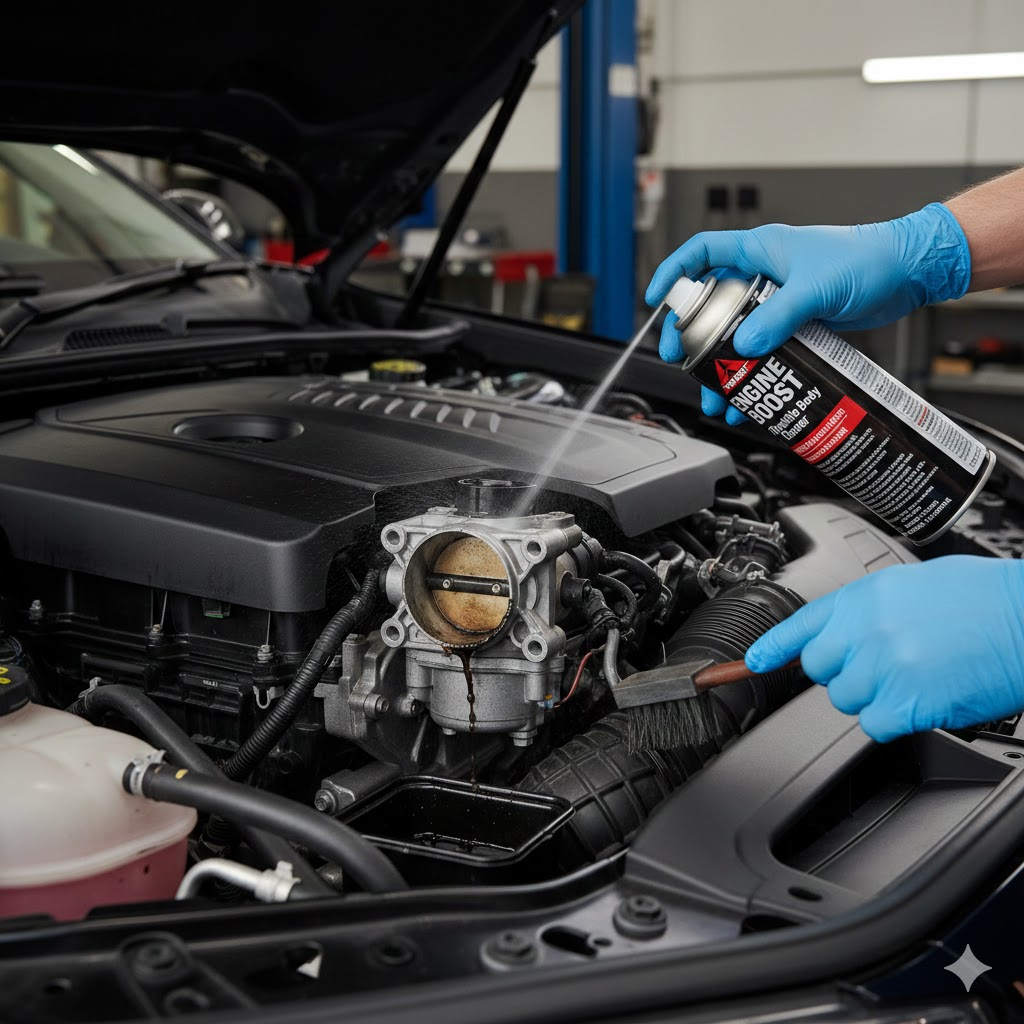
For smooth operation, superior fuel economy, and dependable engine response, modern cars rely on accurate airflow regulation. The throttle body, a crucial part that controls the amount of air entering the engine, is at the center of this system. Dirt, oil residue, and carbon deposits build up on the throttle plate and inner walls over time, obstructing airflow and causing problems including stalling, poor acceleration, rough idling, and decreased fuel efficiency. These issues frequently arise gradually, making it simple to ignore them until there is a discernible drop in vehicle performance.
A throttle body cleaner is a specifically prepared solvent designed to safely remove carbon buildup and grime without hurting sensitive engine components or sensors. It is designed for contemporary fuel-injected engines and evaporates rapidly without leaving residue, in contrast to general-purpose cleansers. Frequent throttle body cleaning is an easy, affordable maintenance procedure that can help avoid costly repairs, increase fuel efficiency, and restore engine responsiveness. For car owners who want to keep their vehicles operating effectively, understanding the need of throttle body cleaners is a crucial element of good engine care.


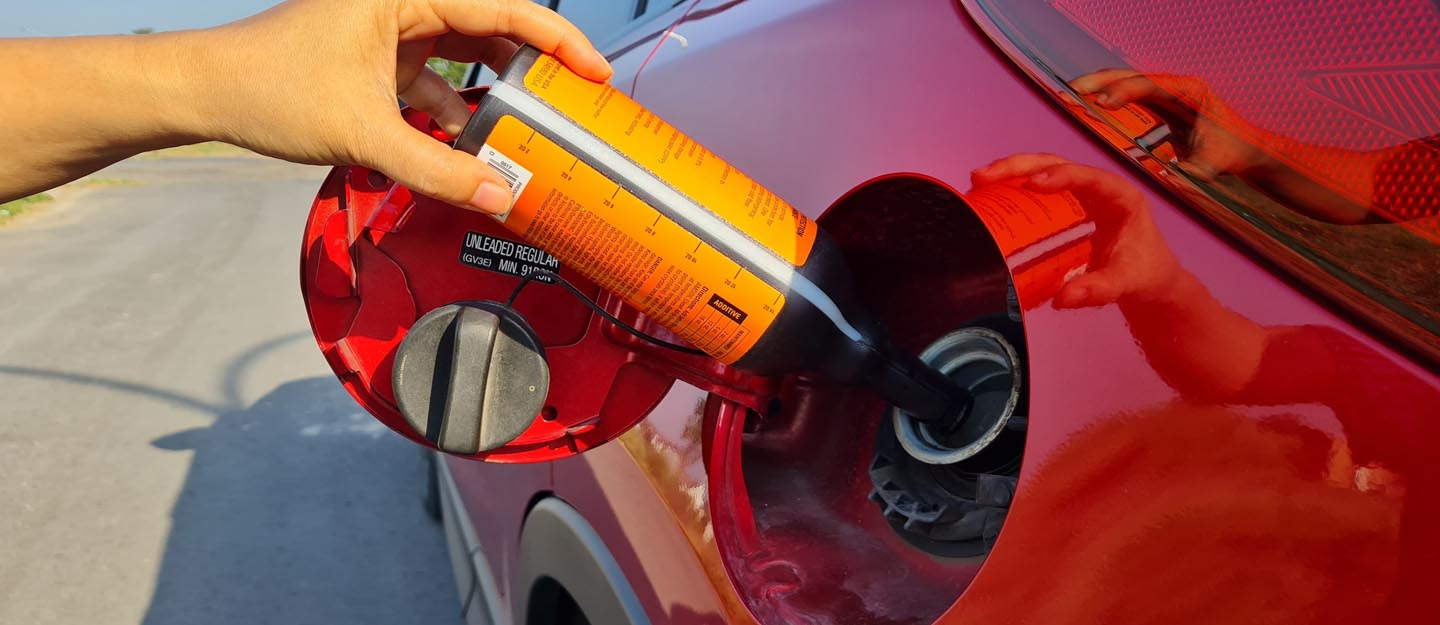
Fuel injectors are essential to modern engines because they provide the exact quantity of fuel required for effective combustion. However, with time, carbon deposits, varnish, and other fuel impurities may clog these injectors, resulting in decreased engine performance. Fuel injector cleaners are useful in this situation. Not everyone is aware of how they operate, but many drivers utilize them as an easy, cost-effective solution to maintain engine performance, increase fuel efficiency, and restore lost power.
How does fuel injector cleaner operate, then? Fuel injector cleaning is essentially a chemical additive that is added to the fuel tank and combines with gasoline or diesel while you drive. The cleaner dissolves and eliminates deposits from the injectors, intake valves, and combustion chambers as the cleansed fuel flows through the fuel system. The theory behind fuel injector cleaners, what they can and cannot solve, and when it makes sense to use one for your engine are all explained in this article.

What Is a Fuel Injector Cleaner?
An additive made specifically to remove deposits from a car’s fuel system, especially the fuel injectors, is called a fuel injector cleaner. Fuel must be delivered in a precise mist pattern by the tiny spray nozzles found in fuel injectors.
Poor combustion and decreased engine performance result from uneven fuel delivery caused by the accumulation of debris, carbon, or varnish inside these nozzles. In order for these deposits to be properly burnt off during regular engine operation, fuel injector cleaners break them down.
The majority of fuel injector cleansers are poured straight to the fuel tank, where they combine with diesel or gasoline and travel throughout the fuel system. The cleaner progressively dissolves buildup without the need for disassembly as it passes through the fuel lines, injectors, intake valves, and combustion chambers while the engine is operating.
Because of this, injector cleaners are a practical preventive maintenance item, particularly for cars with minor performance problems or those that are driven frequently in stop-and-go situations.
Types of Fuel Injector Cleaners
Depending on how they are used and how aggressively they clean, fuel injector cleaners can be divided into three primary groups. The most popular and reasonably priced choice are pour-in fuel tank cleansers. They can be used by adding them to a nearly empty fuel tank prior to refueling and are intended for routine maintenance and moderate injector blockage.
Professionals or skilled do-it-yourselfers usually utilize direct fuel rail cleansers since they are more concentrated. These cleaners are more effective for moderate to heavy deposits since they are directly attached to the fuel rail and clean the injectors without the need for fuel dilution.
Finally, high-strength solvents and specialized equipment are used by professional injector cleaning services to eliminate significant buildup. When injectors are severely clogged or pour-in cleaners are unable to restore performance, these are advised.
How Fuel Injectors Get Dirty
Fuel injectors are susceptible to contamination over time due to their exposure to intense heat and continuous fuel flow. Small amounts of residue still accumulate inside the injector nozzles despite the presence of detergents in current fuels.
After the engine is turned off, fuel evaporates, leaving behind carbon and varnish deposits that eventually limit the injector’s spray pattern. This accumulation lowers fuel atomization, which results in ineffective combustion and obvious performance problems.
The rate at which injectors get dirty is also significantly influenced by driving habits. The engine cannot attain its ideal operating temperature due to frequent short travels, stop-and-go traffic, and prolonged idling.
Deposits are more likely to build up rather than spontaneously burn off when this occurs. Injector blockage can be accelerated by low-quality fuel and poor maintenance.
Carbon and Varnish Deposits
Particularly in engines that run rich or have incomplete fuel burn, carbon deposits are a result of combustion. Conversely, varnish occurs when gasoline oxidizes and leaves behind sticky residues inside the injector. These materials eventually solidify and obstruct fuel flow, resulting in irregular spray patterns and decreased engine performance.
Symptoms of Dirty Fuel Injectors
The way a car drives is frequently noticeably altered by dirty fuel injectors. Rough idling, hesitancy when accelerating, engine misfires, decreased fuel efficiency, and elevated exhaust emissions are typical symptoms. Lean or misfire-related error codes may occasionally cause the check engine light to illuminate.
Before more significant injector issues arise, these symptoms are frequently early indicators that fuel injector cleaner may be helpful.
How Does Fuel Injector Cleaner Work?
Strong detergents and solvents are used by fuel injector cleaners to eliminate deposits that obstruct appropriate fuel delivery. When the cleaner is put to the fuel tank, it mixes with the gasoline or diesel and travels through the entire fuel system while you drive.
The chemicals cling to carbon, varnish, and gum buildup as the treated fuel passes through the injectors, progressively reducing these deposits into tiny particles that may be burned safely during combustion.
Instead of happening all at once, the cleaning procedure takes place gradually. Over time, the injector cleaner gradually restores the proper spray pattern by repeatedly passing through the injector nozzles while the engine runs.
Fuel and air may mix more evenly thanks to this enhanced atomization, which improves throttle response, engine performance, and combustion efficiency.
Chemical Cleaning Action Explained
To remove tenacious carbon deposits, the majority of fuel injector cleaners use potent detergent chemicals like polyetheramine (PEA). Because these compounds are heat-activated, they work better when the engine reaches its typical working temperature.
When engaged, they dislodge deposits that impede fuel flow by penetrating hardened accumulation inside injector tips and internal channels.
What Happens After You Add Injector Cleaner to the Fuel Tank
When refueling, injector cleaner instantly combines with the fuel after being added to the tank. The treated fuel is pumped through the fuel lines, fuel filter, and injectors while the engine is operating. By exposing injector components to the cleaner during each combustion cycle, deposits can be gradually cleaned without causing damage to rubber or metal components.
How Injector Cleaner Cleans Intake Valves and Combustion Chambers
Injector cleaner is useful not only for cleaning fuel injectors but also for removing deposits from intake valves and combustion chambers, especially in engines that use port fuel injection. Remaining detergents aid in lowering carbon accumulation on valves and piston tops as the cleansed fuel-air combination enters the combustion chamber.
Injector cleaners are less effective for valve deposits in direct injection (GDI) engines because fuel does not wash over the valves, which limits intake valve cleaning.
Key Ingredients in Fuel Injector Cleaners
The chemical components employed in a fuel injector cleaner’s formulation have a significant impact on how successful it is. Understanding the active ingredients in injector cleaners might help explain why certain products perform better than others.
Superior fuel injector cleaners are made to remove carbon buildup without damaging fuel system parts like gasoline pumps, hoses, and seals.
Polyetheramine (PEA)
Most people agree that the most effective component in fuel injector cleaners is polyetheramine, or PEA. It can remove thick carbon and varnish deposits that build up inside injector nozzles and combustion chambers thanks to its potent detergent qualities.
PEA can efficiently clean in typical driving situations because it is heat-resistant and stable at high engine temperatures. For engines with obvious performance problems, injector cleaners containing PEA are frequently advised.
Polyisobutylene (PIB) and Polyisobutylene Amine (PIBA)
Injector cleansers that are inexpensive and maintenance-focused frequently contain the milder detergent chemicals PIB and PIBA. They are less efficient against hardened carbon deposits, but they are good at clearing light buildup and stopping the formation of new deposits. Instead of resolving serious injector clogging issues, these chemicals are more suited for regular use.
Carrier Fluids and Additional Additives
Carrier fluids aid in the uniform distribution of the active detergents throughout the fuel system. Additionally, a lot of fuel injector cleaners contain corrosion inhibitors to safeguard metal parts and lubricants to lessen wear on fuel pumps and injectors.
Additionally, some formulations include stabilizers that enhance gasoline quality, particularly in cars that are left idle for long stretches of time.
Does Fuel Injector Cleaner Really Work?
The effectiveness of fuel injector cleaner is contingent upon the severity of the buildup and the state of the injectors. A high-quality injector cleaning can restore appropriate fuel spray patterns and increase engine efficiency for engines with mild to moderate performance problems brought on by carbon and varnish deposits.
After using a reliable product, especially one with potent detergents like PEA, many drivers report faster throttle response, smoother idling, and increased fuel efficiency.
Injector cleaners, however, are not a panacea for all fuel system issues. They are only useful for chemical cleaning and cannot fix mechanical or physical issues. Setting reasonable expectations and avoiding wasteful investment are made easier by knowing what fuel injector cleaning can and cannot solve.
What Fuel Injector Cleaner Can Fix
Soft to moderately hardened deposits that impede injector flow are best removed with fuel injector cleaning. It can assist fix minor injector blockage, inconsistent spray patterns, and performance problems brought on by unclean fuel passageways. Frequent use can often prolong injector life and increase combustion efficiency by preventing buildup from becoming severe.
What Fuel Injector Cleaner Cannot Fix
Injectors that are badly clogged with hardened deposits, electrically malfunctioning, or physically damaged cannot be fixed by fuel injector cleaner. Injector leaks, malfunctioning solenoids, fractured injector bodies, or total obstructions typically call for expert cleaning or injector replacement.
A more significant fuel system problem that requires diagnostic testing may be indicated if symptoms continue after using injector cleaning.
Benefits of Using Fuel Injector Cleaner
Regular use of a gasoline injector cleaning can improve your car’s longevity, performance, and fuel efficiency in a number of noticeable ways. Although cleaning the fuel injectors is its major goal, it also has an impact on other engine components, assisting in the long-term maintenance of dependable and smooth functioning.
Improved Fuel Economy
Fuel is sprayed unevenly by clogged fuel injectors, which results in partial combustion and fuel waste. Injector cleaners help the engine burn fuel more effectively by restoring appropriate fuel atomization through the removal of carbon and varnish deposits. Fuel efficiency may noticeably improve as a result, particularly in older or high-mileage cars.
Smoother Engine Performance
Engine misfires, hesitancy when accelerating, and harsh idling can all be caused by dirty injectors. By keeping them clean, the fuel-air mixture burns more evenly, which lowers engine vibrations and enhances throttle responsiveness. After applying a fuel injector cleaner, drivers frequently report a quieter, smoother ride.
Reduced Emissions
Higher amounts of hazardous pollutants are produced by incomplete combustion brought on by clogged injectors. Injector cleaners contribute to cleaner exhaust and may help the car pass emissions testing by restoring appropriate fuel spray and combustion, which lowers pollutants emitted into the atmosphere.
Better Throttle Response
Acceleration and responsiveness are enhanced by steady fuel supply made possible by restored injectors. A clean fuel system guarantees that the engine responds to driver inputs in a predictable manner, whether merging onto a highway or passing another car.
How Often Should You Use Fuel Injector Cleaner?
Your car, driving style, and gasoline quality all affect how often you need to apply fuel injector cleaner. Periodic treatments may be beneficial for some drivers, but they may not be necessary for others until performance problems occur. Maximizing the efficacy of injector cleaners can be achieved by analyzing your operating conditions and according to manufacturer recommendations.
Manufacturer Recommendations
The majority of fuel and injector cleaner manufacturers recommend applying a treatment every 3,000 to 5,000 miles, which frequently corresponds with regular intervals for oil changes. Regarding chemical gasoline additives, some car manufacturers may also provide special instructions in the owner’s manual. Frequent use as advised aids in preventing accumulation before it becomes substantial enough to impair engine performance.
Driving Conditions That Require More Frequent Cleaning
Certain driving habits and conditions increase the likelihood of injector deposits forming more quickly:
-
City driving and stop-and-go traffic: Short trips prevent the engine from reaching full operating temperature, leading to carbon and varnish buildup.
-
Extended idling: Cars that idle frequently, such as taxis or delivery vehicles, are more prone to deposits.
-
Poor fuel quality: Low-grade or contaminated fuel accelerates injector contamination.
By considering these factors, drivers can adjust the frequency of fuel injector cleaner use to keep the engine running efficiently and avoid more costly repairs in the long run.
Fuel Injector Cleaner vs Professional Injector Cleaning
Pour-in fuel injector cleaners have drawbacks when compared to expert cleaning services, while being practical and reasonably priced. You can select the best option for your engine’s condition and budget by being aware of the variations.
Cost Comparison
Fuel injector cleaners that can be made at home usually cost between $5 and $20 each treatment. They are an affordable choice for routine maintenance since they can be added during a regular fuel fill-up.
On the other hand, depending on the service and engine type, professional injector cleaning services often cost between $50 and $150 per vehicle. These services ensure comprehensive cleaning that may not be possible with do-it-yourself additives by using specialist equipment to send concentrated cleaning solutions straight to the fuel rail and injectors.
Effectiveness Comparison
Fuel injector cleaners are perfect for preventative maintenance or minor performance difficulties, and they work best for mild to moderate deposits. During regular driving cycles, they progressively remove accumulation.
For severely clogged injectors or when a car exhibits recurring issues like rough idling, misfires, or decreased power, professional cleaning is significantly more beneficial. DIY cleaners cannot consistently return injectors to near-original condition, but services like ultrasonic cleaning or direct injection of high-strength solvents can.
Is Fuel Injector Cleaner Safe for Your Engine?
Fuel injector cleaners are typically safe for most engines, including high-performance and older models, when used properly. To prevent such problems, it is crucial to comprehend engine type, mileage, and fuel system architecture.
Safety for Older Engines
Due to accumulated deposits over many years, older engines may be more vulnerable to harsh chemicals. It is generally safe to use a high-quality fuel injector cleaning at the specified dosages, but excessive use or frequent treatments in a short amount of time may cause big deposits to come loose, which could momentarily clog the fuel system or fuel filter.
It’s recommended to adhere to manufacturer recommendations for high-mileage engines and, if performance problems are serious, to think about having a professional check.
Best Fuel Injector Cleaner for Different Vehicles
The type of vehicle, engine architecture, and degree of deposits all influence the choice of fuel injector cleaning. Choosing a product with the proper chemical formulation guarantees efficient cleaning without harming your fuel system because not all products are made equal.
Best for High-Mileage Cars
Stubborn deposits inside injectors and combustion chambers are more common in cars with more than 100,000 miles on them. To get rid of varnish and hardened carbon, look for a cleaner that contains polyetheramine (PEA). Fuel economy and smooth engine running can be preserved with regular use every 3,000–5,000 miles.
Best for Direct Injection Engines
Fuel injector cleaners are unable to completely remove carbon buildup from GDI engines’ intake valves. Select a cleaner that is marked “safe for direct injection engines.” It will assist preserve injector efficiency and stop further carbon buildup inside the combustion chamber even though it won’t fully clean intake valves.
Best Budget Fuel Injector Cleaner
There are a number of dependable low-cost cleansers with softer detergents, such as polyisobutylene (PIB), for drivers seeking economical upkeep. These are appropriate for regular preventative maintenance and cars with little deposit accumulation. They offer consistent performance gains over time and are less harsh but safe for frequent use.
Signs You Need Fuel Injector Cleaner Now
Early detection of dirty or clogged fuel injectors can assist keep engines operating at their best and avoid major issues. When used properly, a fuel injector cleaning can restore efficiency and avoid more expensive problems.
Performance Changes
A discernible shift in the vehicle’s driving style is one of the first signs that the injectors might be dirty. Rough idling, hesitancy while accelerating, poor throttle response, and reduced fuel efficiency are common performance problems. It could be time to apply a fuel injector cleaner if you see any of these symptoms.
Warning Signs Before Injector Failure
Other warning signs include:
-
Engine misfires: Irregular fuel delivery can cause cylinders to misfire.
-
Check engine light: Fault codes related to fuel trim or misfires may indicate injector issues.
-
Increased exhaust smoke or smell of unburned fuel: These can result from incomplete combustion caused by clogged injectors.
Frequently Asked Questions (FAQ)
How long does fuel injector cleaner take to work?
As soon as the treated fuel enters the injectors, the majority of fuel injector cleaners start to function. However, depending on how severe the deposits are, substantial improvements—like better acceleration or smoother idling—usually show up within 100–200 miles of driving.
Can injector cleaner damage fuel pumps?
Fuel injector cleaners are safe for fuel pumps and other system components when used as directed by the manufacturer. The fuel system may be stressed by overuse or improper application, although this danger is avoided by adhering to recommended dosages.
Can I use injector cleaner with premium fuel?
Yes, all grades of gasoline and diesel can be used with fuel injector cleaners. Regardless of the brand or octane rating, they combine with the fuel to clean injectors.
Is fuel injector cleaner worth it?
Fuel injector cleaner is an affordable, practical solution to restore performance, increase fuel efficiency, and stop further deposits for mild to moderate injector buildup. Professional cleaning or replacement is required for badly clogged injectors or mechanical malfunctions.
Can I use fuel injector cleaner in diesel engines?
Yes, however you have to choose a product made especially for diesel fuel systems. Detergents intended to eliminate soot and carbon buildup specific to diesel combustion are frequently included in diesel injector cleaners.
Conclusion
Carbon and varnish buildup in your fuel system may be avoided, engine performance can be preserved, and fuel efficiency can be increased with fuel injector cleaners. These solutions aid in restoring proper fuel atomization, smoother engine operation, and lower emissions by dissolving deposits inside injectors and, in certain situations, the combustion chamber.
Fuel injector cleaners work quite well for mild to moderate deposits, but they are unable to clear severe clogs or mechanical injector failures. Performance problems can be avoided with regular use and adherence to manufacturer instructions; nevertheless, badly clogged injectors may require professional cleaning or replacement. When used properly, fuel injector cleaners are an affordable way to maintain your engine’s dependability and efficiency.
-

 Car Maintenance Tips5 months ago
How Long Does It Take To Charge an Electric Car?
-

 Car Maintenance Tips4 months ago
Catalytic Converter Replacement Cost – How Much?
-

 Engine Care6 months ago
Why Are Catalytic Converters So Expensive?
-

 Car Maintenance Tips6 months ago
Oxygen Sensor Replacement Cost
-

 Car Maintenance Tips6 months ago
Camshaft Position Sensor Symptoms
-

 Electric Vehicles5 months ago
Wisconsin Electric Vehicle Charging Tax
-

 Car Maintenance Tips5 months ago
Why Is My Auto AC Blowing Warm Air?
-

 Car Maintenance Tips5 months ago
How To Fix: Steering Assist is Reduced Drive With Care