Significant quantities of rare and costly precious metals, namely platinum, palladium, and rhodium, are present in catalytic converters, making them valuable for their ability to transform poisonous exhaust gases into less hazardous compounds. Because of its endurance, strong need for emission control, and limited natural supply, catalytic converters have a very high scrap value, which fuels the markets for recycling and theft. In this article we are going to consider What makes catalytic converters so expensive, why catalytic converters are important in cars, why are thieves targeting catalytic converters etc.
An integral component of an automobile’s exhaust system is the catalytic converter. By transforming dangerous combustion gases into less dangerous compounds like carbon dioxide and water vapor, it contributes to a reduction in the quantity of toxic pollutants released into the atmosphere.
This is accomplished by subjecting these vapors to metals and chemicals within the converter, which causes chemical reactions that change otherwise hazardous pollutants into ones that are comparatively safe. Let’s take a closer look at how a catalytic converter works.
One function of a catalytic converter is to transform the toxic substances found in engine exhaust into safe gases, such as steam, using a chamber known as a catalyst. Before they are released into the atmosphere, it breaks up the dangerous molecules in the gases that an automobile creates.
The catalytic converter resembles a big metal box and is found on the underside of a car. It has two pipes that emerge from it. These two pipelines, along with the catalyst, are used by the convertor to render the gasses safe for release.
Gases enter a vehicle through the “input” pipe that is attached to the engine. The pollutants are broken up by a chemical reaction that occurs when these are blown over the catalyst. The second pipe, often known as the “output,” which is attached to an automobile’s exhaust, is now where the less hazardous gases pass.
Reducing the discharge of dangerous pollutants from engine exhaust fumes and making them more ecologically friendly is the main goal of catalytic converters in automobile systems. Their efficiency and dependability are essential for preserving vehicle performance as well as supporting initiatives to lower air pollution.
Why Are Catalytic Converters So Expensive?
Because they must be constructed from a combination of precious metals, catalytic converters can be costly. Some of the primary precious metals needed to create a catalytic converter include rhodium, palladium, and platinum. Building catalytic converters can be challenging and costly since these metals must be utilized in their natural state and cannot be created outside.
Because they are coated with pricey precious metals like rhodium, palladium, and platinum—all necessary for changing toxic exhaust gasses into less toxic ones—catalytic converters are pricy. Because of their longevity, great demand for their catalytic qualities, and rarity, these metals are expensive. The total cost of a catalytic converter is directly impacted by the shifting market values of these metals.
What Metals Make Catalytic Converters So Valuable?
The presence of three precious metals, referred to as Platinum-Group Metals (PGMs)—platinum (Pt), palladium (Pd), and rhodium (Rh)—makes catalytic converters lucrative. These metals are excellent in catalyzing chemical processes that produce less hazardous compounds like carbon dioxide, water, and nitrogen from hazardous vehicle emissions like carbon monoxide, hydrocarbons, and nitrogen oxides. Catalytic converters are a desirable commodity for recycling due to the rarity and high global market value of these metals, but they are also a target for theft.
Platinum
Platinum, a popular metal in catalytic converters, is valued for its exceptional catalytic qualities and high temperature endurance, effectively converting hydrocarbons and carbon monoxide.
Palladium
Palladium is highly prized for its catalytic effectiveness and resistance to corrosion at high temperatures, and it is specifically utilized in gasoline vehicle converters.
Rhodium
This metal is widely sought-after for its emission-reducing qualities since it is incredibly precious and essential for turning nitrogen oxides (NOx) into nitrogen gas.
Why Are Thieves Targeting Catalytic Converters?
Have you ever wondered why a catalytic converter would be stolen? The reason for this is that these gadgets include precious metals like rhodium, palladium, and platinum. They are quick and very profitable for thieves to steal because they can sell them for a high price. This article examines the primary causes of these thefts, the substantial effects they have on automobile owners, and doable strategies for vehicle protection.
Catalytic converters are a gold mine of valuable metals and more than just a component of your vehicle’s exhaust system. Platinum, palladium, and rhodium—all extremely precious metals—are present in these gadgets. The fact that rhodium, for instance, hit an incredible $30,000 per ounce in January 2020 shows how profitable certain metals can be.
Because of their high market value and willingness to take a chance in exchange for a reward, thieves have chosen catalytic converters their top target due to the skyrocketing prices of these precious metals. Catalytic converters are especially appealing to criminals because of their exposed location on automobiles and their high concentration of precious metals.
Catalytic converters are much more important because they are essential in lowering hazardous emissions. The converter’s value increases with its precious metal content, making it a desirable product for recycling businesses and dishonest black market customers. One of the main causes of the increase in thefts is this high value.
High Demand In The Black Market
Catalytic converters have a high market value, which makes them a valuable target for thieves. Depending on the type and condition, stolen converters can sell for anywhere from $800 to $1,200 on the black market, which makes it a lucrative endeavor for crooks.
For a regular catalytic converter, recyclers usually pay between $50 and $250, but thieves can sell them for considerably more, particularly if the converter is from a hybrid car. The cycle of theft is sustained by the demand for these metals, which guarantees a buyer at all times.
It has been demonstrated that a 10% increase in the price of precious metals leads to a 20% increase in thefts of catalytic converters, demonstrating the close relationship between market value and theft rates.
Which Cars Have the Most Expensive Catalytic Converters?
Due to their increased platinum, palladium, and rhodium content, many kinds of cars with larger V8 engines, such as some General Motors trucks, high-performance automobiles, like the Ferrari F430, and hybrids, like the Toyota Prius, have costly catalytic converters. Their high value is driven by the presence of these precious metals, which are necessary for their catalytic activity.
Hybrid Vehicles
Because hybrid cars sometimes employ more precious metals in their converters to meet rigorous emissions standards, the Toyota Prius is notorious for having pricey converters, and thieves also want to steal these parts.
Large Engine Vehicles
Higher quantities of precious metals in many large V8-powered vehicles, such the Ford F-150s and General Motors trucks like the GMC Sierra, result in more costly catalytic converters.
Performance Vehicles
High-end catalytic converters are also seen in high-performance automobiles and premium brands like Ferrari, Audi, and BMW; the Ferrari F430, for example, has an exceptionally costly converter.
How Much Does It Cost to Replace a Catalytic Converter?
Depending on the make and model of your car, the type of converter (universal vs. direct-fit), and labor costs, replacing a catalytic converter can cost anywhere from $300 to over $2,500, with an average cost of $1,275 to $2,500.
The ultimate cost is greatly influenced by variables like as labor expenses, the price of precious metals, and whether original equipment manufacturer (OEM) or aftermarket parts are used. By comparing prices, looking into aftermarket alternatives, determining whether the item is covered under warranty, or even recycling the old converter for its valuable metals, you can cut expenses.
Why Are OEM Catalytic Converters More Expensive Than Aftermarket Ones?
Ever ponder why OEM catalytic converters are so expensive? Why are they more expensive than aftermarket alternatives? For what reason do these necessary car components cost so much? Both businesses and car owners frequently have these inquiries, particularly when it comes time for repairs or replacements.
The cost of precious metals, stringent production standards, and regulatory compliance are some of the reasons why OEM catalytic converters are pricey. These converters are made to precisely match the original equipment requirements of the car, guaranteeing peak performance and emissions reduction.
Businesses and consumers can better appreciate the need and value of purchasing OEM catalytic converters by being aware of these considerations. Let’s examine in more detail why these parts are so expensive.
The usage of precious metals like rhodium, palladium, and platinum is one of the main causes of OEM catalytic converters’ high price. The catalytic process, which transforms toxic emissions into less toxic gasses, depends on these metals. These metals’ prices vary according to supply and demand in the market, which has a big effect on the converter’s total cost.
Platinum is an essential part of catalytic converters because of its great efficacy in oxidation reactions. Additionally, palladium and rhodium are essential for lowering hydrocarbons and nitrogen oxides (NOx). The high cost of OEM catalytic converters is a result of the high demand and limited supply of these metals.
Can You Drive Without a Catalytic Converter?
Technically, Yes you can drive without a catalytic converter, but you shouldn’t because it’s against the law in most places, makes your car louder, can result in a rougher engine and less fuel efficiency, and greatly increases the amount of toxic pollutants that enter the atmosphere.
How to Protect Your Catalytic Converter from Theft
Anti-Theft Devices: Various manufacturers offer catalytic converter anti-theft devices, which include steel plates to protect the vehicle’s underside and cages made of steel cables to deter thieves by making the task more time-consuming, which increases the likelihood that the thief will be caught. Alarms, whether they are full-vehicle systems or unique converter-specific ones, can also serve as powerful deterrents. Find out what a reputable mechanic thinks is best for your car. Although they can be costly, anti-theft solutions are frequently less expensive than a brand-new catalytic converter.
Secure Parking: If at all possible, park overnight in a well-lit enclosed area or a lockable garage. Installing motion sensor lights is something to think about if you’re parking in a driveway. If parking on the street, choose a spot with lots vehicle traffic and good lighting.
Reporting Theft: Notify your insurer and local law police if your catalytic converter is taken, even if you drive an older vehicle and it doesn’t seem worth it. Lawmakers can enact rules that make it more difficult for thieves to sell stolen parts with the aid of statistics.
Why Catalytic Converters Are Essential for the Environment
By drastically lowering the emission of toxic gases, catalytic converters have had a major positive environmental impact. But there are other ecological factors to take into account as well.
Emission Reduction: These gadgets contribute to cleaner air and fewer respiratory ailments by lowering the concentrations of nitrogen oxides, hydrocarbons, and carbon monoxide.
Greenhouse Gas Concerns: They transform carbon monoxide into carbon dioxide, a greenhouse gas, even if they also reduce harmful gasses. Nevertheless, there is a considerable overall improvement in air quality and public health.
Finite Resources: Rhodium, palladium, and platinum are examples of catalysts that are scarce and require mining methods that harm the environment. Recycling catalytic converters becomes crucial at this point.
Are There Laws About Removing or Bypassing Catalytic Converters?
Yes, it is unlawful to remove or circumvent a catalytic converter in the United States due to federal and state laws that forbid “tampering” with a vehicle’s emissions control system.
The removal or installation of “converter replacement pipes” is expressly forbidden by the Clean Air Act, and violations can result in hefty fines and other consequences. These regulations are in place to safeguard public health and stop rising air pollution.
Will Electric Cars Reduce the Demand for Catalytic Converters?
Yes, the rising use of electric cars (EVs) would lower the demand for catalytic converters because EVs don’t have internal combustion engines and hence don’t emit exhaust pollutants, which catalytic converters are designed to treat.
Although there is a brief decline in demand since many gasoline and hybrid cars still need catalytic converters, the long-term trend indicates that demand will decline significantly as electric vehicles take over as the primary mode of transportation.
Conclusion
As we have seen in the article, Catalytic converters are expensive because they contain small amounts of very costly precious metals, namely platinum, palladium, and rhodium, which are essential for their function of converting harmful exhaust gases into less harmful ones. The fluctuating market prices for these rare metals significantly impact the overall cost of the converter, and they must be replaced over time as their catalytic performance degrades.
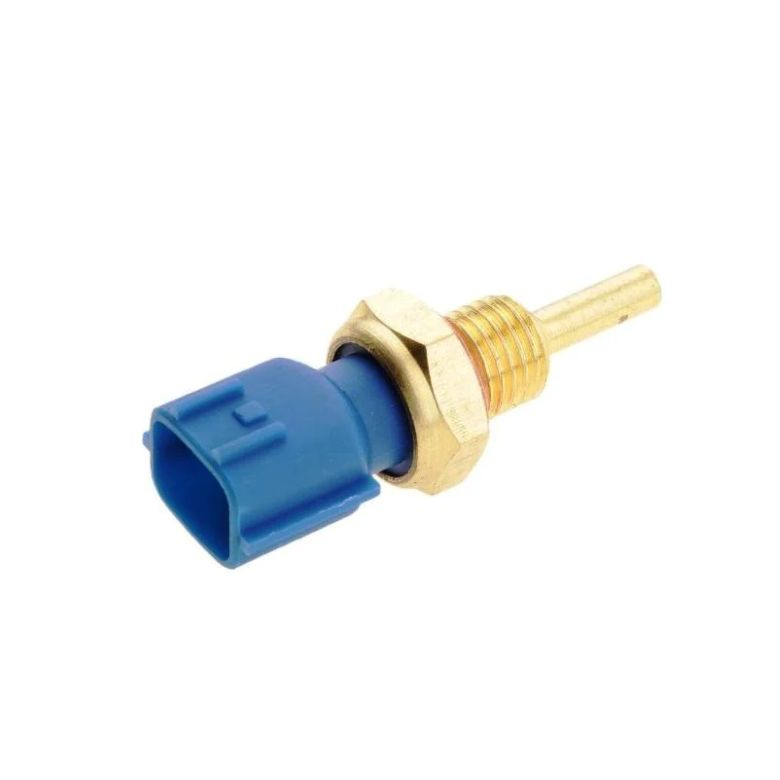
Do you know what a coolant temperature sensor is and what it does? As its name suggests, this part monitors the coolant temperature and alerts the driver to any variations. Its main function is to prevent overheating and related damage. If you own a used car, you should pay closer attention to this sensor, as it’s recommended to replace it frequently. We will consider some of those specifications. In this blogpost, we will also explain how to replace a coolant, the cost of doing so and more.
WHAT’S A COOLANT TEMPERATURE SENSOR?
Temperature sensors are electrical and electronic components that, as sensors, measure temperature using a specific electrical signal. This signal can be sent directly or through a change in resistance. They are also called heat sensors or thermosensors. A temperature sensor is used, among other applications, for circuit control. Temperature sensors are also called heat sensors, heat detectors, or thermal probes.
What types of temperature sensors exist and how do they work?
There are two main types:
–Temperature sensors that change resistance and,
–Those that work directly by emitting a signal.
Temperature sensors with changes in resistance or other physical properties: PTC thermistors signal an increase in temperature with a higher resistance.
NTC thermistors signal an increase in temperature with a decrease in resistance, based on metal oxides or semiconductors. The term thermistor comes from the English “Thermally Sensitive Resistor.”
Depending on the materials used, we distinguish between platinum, silicon, and ceramic measuring resistors. They can be used for different temperature ranges. Ceramic semiconductors also work very well as independent heating elements or hot fuses.
There are other interesting materials in this field, such as oscillating quartz temperature sensors, which reliably show the temperature increase by a change in the resonant frequency and offer particularly accurate measurements.
Pyroelectric materials react to changes in charge carrier density on their surface when temperatures change. This results in spontaneous polarization. Pyrometers measure this heat radiation.
Bimetallic switches operate mechanically, activating a switch by bending a bimetallic strip in response to a temperature increase.
Ferromagnetic temperature sensors use a permanent magnet that, depending on the temperature, either adheres to or returns to a resting state. This magnetically sustains a spring tension or activates a switch. Fiber optic temperature sensors create a temperature profile using a glass fiber. They utilize the Raman effect.
Components with electrical signals that can be processed directly
These are integrated semiconductor temperature sensors and/or solid-state circuits.
Depending on the temperature, they produce:
– a current
– a voltage
– a digital signal
What materials does a temperature sensor detect?
The material detected depends on the type and design of the temperature sensor. This is especially true for temperature sensors that indicate a change in temperature by measuring a change in another physical property. Many sensors detect metals.
WHERE ARE TEMPERATURE SENSORS USED?
Temperature sensors are found in many everyday objects, such as irons, toasters, motion sensors, and tools (like soldering irons with automated temperature control). They are also used in many industrial applications where they control temperature-dependent circuits (thermal radiation chambers and automated heating elements). One typical application is overheating protection using microprocessors.
WHAT DO COOLANT TEMPERATURE SENSORS DO?
The coolant temperature sensor works with a thermistor. The ECU detects change in temperature and adjusts the operations of the engine accordingly.
Temperature sensors can measure temperature accurately. However, it is important to choose the right type of sensor for different temperature ranges and environments. Some types require a deeper understanding of their complex operation to ensure suitability for the materials being measured. Integrating a temperature sensor can be very demanding. During the selection phase, it is essential to ensure that the components are high-quality, the technology is sophisticated, and that side effects, such as resistance thermometer overheating, are minimal.
These Sensor controls:
–Fuel injections
–The performance of engine, and
–the performance of the cooling fan.
SYMPTOMS OF A BAD COOLANT TEMPERATURE SENSOR
A bad coolant temperature sensor has the following common signs:
1.Your Check Engine Light Comes On
Check Engine Light Sign
A bad coolant temperature sensor often triggers the check engine light on your dashboard. It sends wrong signals to the ECU. Ignoring these warning signs can cause bigger issues in your car. Hence, you should act promptly when you see your check engine light on.
2. Low fuel economy
A bad coolant temperature sensor misleads the ECU, which leads to it, injecting more fuel than necessary. Are you experiencing this problem in your car? If yes, visit a trusted mechanic.
3. Black smoke is expelled from the exhaust.
Black smoke from the exhaust is another symptom of a bad coolant temperature sensor. This happens due to excess fuel burning.
4. Engine Either Over Heating or Under Heating
Engine overheating
When the temperature readings of a bad coolant temperature sensor is bad, it can cause your engine to either overheat or underheat. This condition affects your engine’s temperature regulation and overall performance.
5. Difficulty Starting Engine
If your engine EUC is getting the wrong temperature data, proper fuel-air mixture may fail. This inability leads to difficulty starting the engine, or in worse cases, it leads to no-start at all.
Other symptoms include:
–Rough Idling,
–Overheating of engine,
–Cooling fan stops working.
If you notice any of these symptoms, you should take your car to a trusted mechanic.
WHY YOUR COOLANT TEMPERATURE SENSOR FAILS
Your coolant temperature sensor may fail for many reasons, some of these reasons include:
Build up of corrosive materials can affect the readings of your engine.
Bad connections and wiring, can disrupt the signals to the ECU.
Extreme weather conditions can degrade the internal parts of your sensor.
Over-term wear.
Coolant leaks.
Bad fuel.
Dirts and residues.
SURE-WAYS TO TEST A COOLANT TEMPERATURE SENSOR
It is a smart thing to test your sensor first, before replacing it. To test your sensor use the following methods
Use an OBD-II Scanner.
The safer and best ways to use this scanner, to test your coolant is by:
–First, plug in the OBD-II Scanner.
–Second, observe the temperature readings
–Lastly, compare the temperature readings with the actual engine temperature.
Use a Multimeter
To do this,
–First disconnect the temperature sensor,
–Then, measure the temperature resistance,
–Finally, compare temperature readings.
Tip: Ensure that you put off your car and allow the engine to cool before testing.
HOW TO REPLACE A COOLANT TEMPERATURE SENSOR
You will need the following tools:
–A socket set,
–A new coolant sensor
–Lastly, a coolant.
Some people replace this sensor themselves, and you can too. Here are step by step methods on how to replace it:
–First, disconnect the negative part of the battery terminal.
–Second, drain coolant far below the level of the sensor.
–Third, locate the sensor and disconnect it carefully.
–Install a new sensor.
–Tightly place the sensor and if possible, use a sealant on it.
–Next, reconnect the wires you earlier disconnected.
–Refill with a good type of coolant
–Start your engine.
–While engine is on, check your temperature gauge.
–Look out for leaks.
There you have it! You can do it yourself. But if DIY is not for you, seek the assistance of a trusted mechanic.
COST OF CHANGING A COOLANT TEMPERATURE SENSOR
Replacing this coolant is not expensive. For,
–the cost of the sensor is about $30 – $90.
–Labour is $55-$240
Total cost of replacement is between $100 – $300.
MAINTENANCE TIPS ON YOUR TEMPERATURE SENSORS
Doing regular maintenance is the best and easiest way to save money for car repairs. Follow these tips:
–Change the temperature coolant sensor when due.
–Use a quality coolant type.
–Make sure all wires are correctly connected.
–If you notice any leaks, fix it quickly.
–Do not use dirt or contaminated coolant.
FREQUENTLY ASKED QUESTIONS
When is the best time to replace a coolant temperature sensor?
The best time to replace a coolant temperature sensor is when you experience any of the above symptoms.
Can I drive with a bad coolant temperature sensor?
Yes, but it is not recommended.
Is it expensive to fix a bad coolant temperature sensor?
No, fixing a bad coolant sensor is not expensive.
Can having a bad sensor cause engine overheating?
Yes, it can.
How long does a new coolant temperature sensor last?
Generally, it lasts up to 100,000km plus.
Is a coolant temperature sensor different from a temperature gauge sensor?
Yes , the coolant temperature sensor is used to send signals and data to the ECU, while the latter, sends data.
CONCLUSION
The coolant temperature sensor may look small but its function is very critical to your car’s engine. The Coolant temperature sensors are an essential component of the cooling system. They monitor the engine’s operating temperature. If the temperature exceeds the set threshold, a warning message is triggered. This allows for the timely prevention of engine damage, such as a blown head gasket. Timely repair of the engine coolant sensor can prevent a more serious and costly breakdown or worse consequences. To maintain the sensor, and extend the life span of your car engine, change the sensor when due, and see a trusted mechanic.
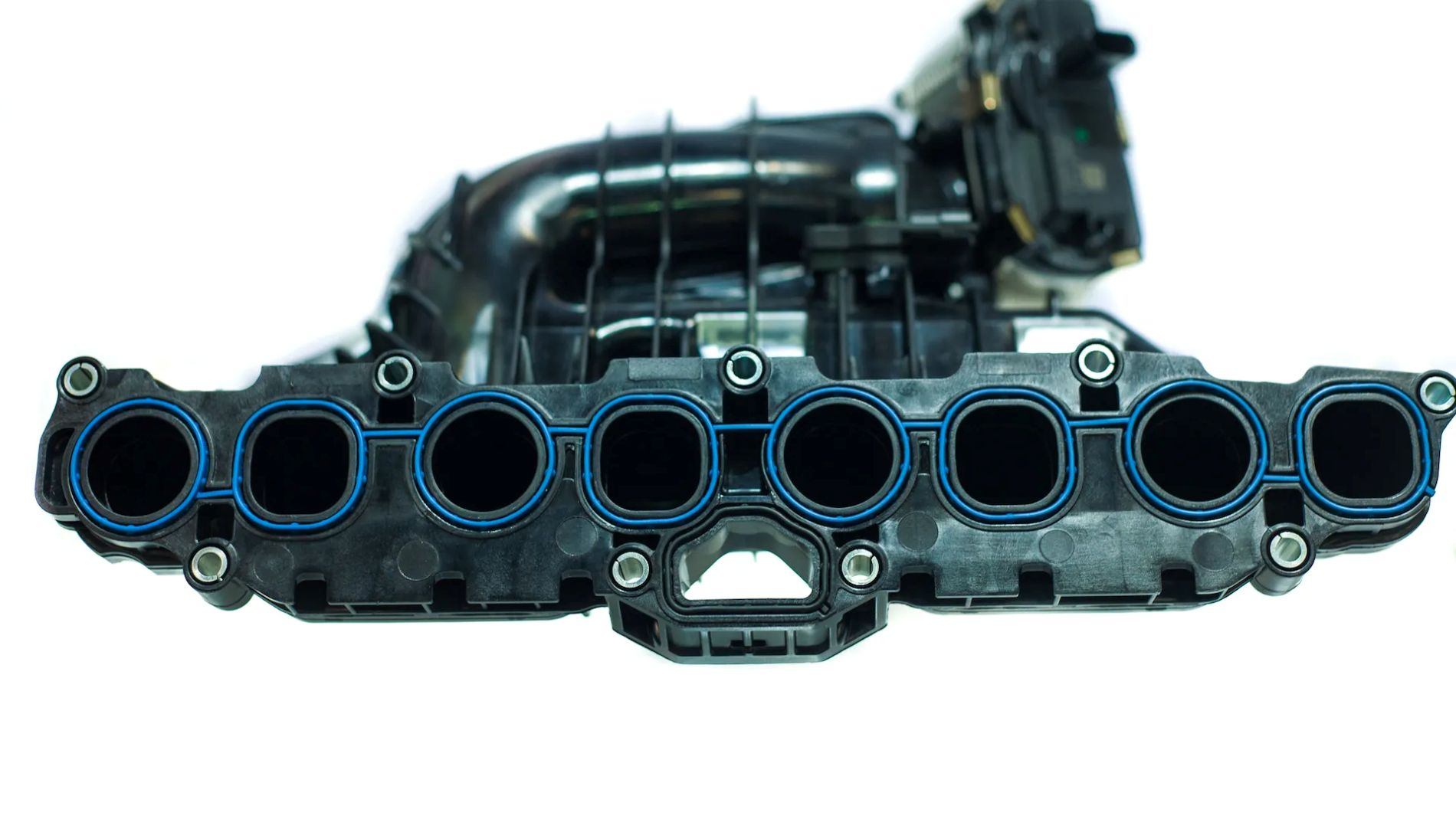
Though often overlooked, the intake manifold gasket is an important component of the engine as it seals the connection between the intake manifold and the cylinder head of the engine.
It plays a crucial function in the efficient corporation of an internal combustion engine. It ensures proper flow or distribution of fuel into the combustion chambers. Manifold gasket maintains optimal performance of the engine, prevents leaks, and controls the coolant and also oil channels. When broken it can ruin spark plugs, and damage the catalytic converts of which in turn destroys engine bearings. In the blog post, we will explain further what an intake gasket is, what happens when it fails, and the cost of replacing it when damaged.
An Overview of the Intake Manifold Gasket
The intake manifold gasket plays an important role in the efficient operation of an internal combustion engine. It is made up of materials such as rubber, silicon, multi-layer steel and composite materials. You can find this gasket, between the intake manifold itself and the engine cylinder head. During engine operation, these durable materials make it possible for it to withstand the extreme temperatures and pressures.
Functions of The Manifold Gaskets
The intake manifold gasket has a lot of important functions in your cars. Some of these functions, include:
1. A Seal
This gasket firmly seals between the cylinder head and intake manifold, thus, ensuring the proper airflow in the engine.
2. Prevents Leaks
The gasket prevents the coolant from leaking into where it shouldn’t.
3. It Ensures Proper Air and Fuel Mixture
Nowadays, engines require a particular quantity of fuel and air mixture in the engine. The intake manifold gasket ensures that the air -fuel ratio is just perfect for efficient combustion.
4. The System Optimizes Engine Performance
As the gasket works at a sealing component, it further helps optimize the performance of the engine and ensures smooth operation.
WHY THE INTAKE MANIFOLD GASKET FAILS
As with other components of the engine, the manifold gasket faces a variety of challenges that can lead to leaks and cause it to fail. If these leaks aren’t detected and corrected promptly, they can cause a significant impact in the performance of the engine. Want to know why these leaks occur and how they can affect the intake system? Let’s consider that. Your engine fails for the following reasons:
1. Over-Heated Engine:
Unfriendly temperatures and thermal cycling can cause your car’s intake manifold gasket to fail.
2. Wear Due to Over-Use and Aging:
As the years go by, the intake manifold’s gaskets and seals can drop in quality due to over-use, continuous exposure to vibration and heat. This can result in it becoming less capable of keeping a perfect seal, which can in turn, create leaks that negatively impacts on the performance of the engine.
3. Mechanical-Based Damage:
Knocks or impacts and other damages during engine maintenance, can also cause intake manifold leaks, thus, compromising its ability to seal properly.
4. Improper installation:
Improper installation is another cause of bad gasket. When the gaskets are improperly positioned during the assembly process, it can cause leaks in the sealing system. To avoid this particular cause of failing, carefully follow the manufacturer’s specifications on how to properly install the gasket.
5. Damaged From Sealing:
If the gaskets are not tightly sealed or it’s damaged, air can escape from the system creating air leaks. Debris, and corrosion are other things that can affect the system’s ability to remain sealed.
Having considered why the intake manifold gasket fails, we’ll now be considering the symptoms that indicate problems with the gasket system. Keep reading.
SYMPTOMS THAT INDICATE LEAKS IN THE INTAKE MANIFOLD
Some of the most common are listed below:
1.Loss of power:
If you notice that your vehicle has difficulty accelerating or that the throttle response is slow and weak, it may not be receiving the correct amount of air and fuel due to a leak in the intake manifold.
2. Abnormal noises:
This can manifest as a noticeable whistling or hissing sound, especially during acceleration or when maintaining a constant speed. These can be caused by air escaping through the leak in the intake manifold.
3. Increased Fuel Use
Leaks in the gasket can cause the ratio of fuel and air mixture to be unsteady, leading to increased fuel use.
4. Gas Smell Around the Compartment
If you perceive the smell of gas around the compartment, especially when your engine is running, that is an indication that there is a leak in the intake manifold gasket.
5. Engine Light is On
Thanks to the sensors in most modern cars now, when there is a leak, for example in the manifold gasket, the check light comes on.
HOW TO DETECT LEAKS FROM THE INTAKE MANIFOLD GASKET
It is very important that you detect leaks on time from the manifold gasket. Doing this will allow you to maintain optimal engine performance and avoid costly long-term damage. How can you do this? Many methods and tools are available. We’ll show you some of these methods!
1. Visual Inspection
This is the first step in detecting intake manifold leaks. To do this, you should check for physical signs such as cracks, dents, or warping in the manifold, and check the integrity of the gaskets and seals to ensure they are in good condition and properly installed.
2. The Smoke Test Method
The smoke test involves introducing smoke into the intake manifold and carefully observing to find any escapes.
3. The Use of Soapy Water
This method involves the use of soap and water mixture. Spray the mixture around the intake manifold gasket. If there’s a leak, you’ll notice bubbles around the area.
4. The Use of OBD-II Scanner Tool
This tool is one of the most reliable methods to check for leaks.
5. The Use of a Vacuum Gauge
Using a vacuum gauge is another technique used to detect leaks. To use it effectively, connect the gauge to the intake manifold and pump a vacuum into the system. Observe whether the pressure remains stable; any sudden drop in pressure could indicate a leak.
How to Fix Leaks in The Intake Manifold Gasket
There are many solutions you can apply. We’ll guide you through some of the most effective and common ways to fix leaks in the manifold gasket.
1. Carefully Tighten the Bolts and Clamp
First, tighten the bolts and clamp. Sometimes, carefully tightening bolts and clamps may be all you need to do to fix leaks in your gasket. This method restores proper airflow and prevents minor leaks from seal.
2. Replacing Manifold Gaskets
Replacing gaskets, which involves removing the defective ones and replacing them with new, high-quality ones, always following the vehicle manufacturer’s recommendations.
In cases where leaks are detected on the manifold, crack repair can be a viable option. This involves cleaning and preparing the crack surface, applying a sealant or adhesive, and allowing it to close completely. What about when the damage is serious? In such situations, rebuilding the manifold may be necessary. This requires completely disassembling, cleaning, and repairing it.
Also note that, if the manifold is too damaged or corroded, it may need to be replaced entirely. To do this, remove the defective manifold and replace it with a new one or one from a salvage yard, depending on your budget.
3. Repair Cracked Intake Manifold
If your intake manifold is cracked, carefully seal it up with a high-temp epoxy. However, this method of repair works only for a minor crack.
Cost of Replacing a Failed Intake Manifold Gasket
To replace an area of the intake manifold gasket, the cost is about $200 -$600.
For total replacement of the intake manifold gasket, the cost is about $350 -$1200.
Frequently Asked Questions
Can I repair an intake manifold leak myself?
Yes, you can. As long as you have the basic understanding of mechanics, you can repair it yourself.
Do intake manifold leaks affect engine performance?
Yes, they do. Intake manifold leaks alter the air-fuel ratio by allowing unmeasured air to enter the engine, causing an unbalanced mixture.
Is it dangerous to drive with a leaking intake manifold?
Yes, it is. Driving a vehicle with a leaking intake manifold can pose several risks to the car’s safety and performance.
Is it expensive to replace the gasket?
Replacing the manifold gasket may be quite expensive.
Can a bad gasket lead to engine overheating?
Yes, engine overheating can result from a manifold gasket failing.
Summary
The intake manifold gasket ensures that there is a perfect distribution of air-fuel mixture in the engine. Like other car components, this gasket sometimes fails, when there is engine overheating and improper installation. To accurately diagnose a leak in the gasket, do a visual inspection or use an OBD-II Scanner to check your fuel trim data. Repairing the intake manifold gasket, involve; identifying the exact location of the leak, removing the manifold, cleaning and preparing the affected surface, and applying the appropriate repair method, whether by replacing gaskets, repairing cracks with specific sealants, or rebuilding the manifold. The cost of replacing this gasket is about $350 -$1200. It is cheaper to repair than to replace. Regardless, always consult a trusted mechanic if you notice a fault in your car.
Though small the oxygen sensor, with an important component in your car. It is responsible for the efficient performance of cars. If you notice that your check light is always on, one of the most common factors responsible for that is the oxygen sensor. If you notice that your economy for your engine performance is known or you observe emission issues that could be a sign that your oxygen sensor needs a quick fix . Oxygen sensor cleaners are used to clean the oxygen sensor. But, are they just temporary solutions to bad oxygen sensors and what more do they do? In this article, we will explain what oxygen sensor cleaners are, what they do, when you may need to use them, and when replacing the sensor is the best option. Keep reading.
Oxygen Sensor: What is it?
Also called the O2 sensor, an oxygen sensor is a device in your car’s exhaust system. Its function is to measure the amount of oxygen leaving the engine through the exhaust. Other functions of this sensor, includes,
Boosting the efficiency of fueling your car.
Reducing emissions from the car that are harmful.
Ensuring that the engine works well
Regulating the air-fuel ratio in the engine.
What Makes The Oxygen Sensors Dirty?
Oxygen sensors are found in rough parts of the car. They are located in the exhaust system, the temperature there is usually high. A lot of things can build up over time, to contaminate them. These things include:
1. CARBON DEPOSITS
Carbon deposits is one of the things that can build up in the sensors and make them dirty.
2. CONTAMINATION FROM ENGINE OIL
Worn out components like the piston rings can cause oil to contaminate the exhaust system.
3. LEAKS FROM COOLANT
A faulty component like the head gasket, can allow coolant to enter the exhaust.
4. BAD FUEL
This is one common thing that contaminate the sensors. Bad fuel leaves impurities and particles in the engine system.
When Do You Need to Clean Your Oxygen Sensor
You should know that it is time to clean your sensor when you see the following signs
1. Engine Light is On
When you notice on your dashboard that your engine light is on, that is a visible sign that your sensor is due for cleaning. The ECM activates the engine light, when there is an accumulation of contaminants, dirts or air around the sensor.
2. Fuel Efficiency is Poor
A faulty oxygen sensor can cause your car to be less efficient than expected. The ECM may miscalculate the ratio of air-fuel efficiency, leading to inaccurate timing of the ignition.
3. Engine Noise and Vibrations
This is another sign that your sensor is due for cleaning. In this case you experience engine noise and vibrations even when your car is not in motion.
4. Engine Misfire
Your car engine misfires when the fuel-air mixture does not combust completely. You may also notice low acceleration when driving.
As discussed, the oxygen sensor gets worn after some time. What can be done in that instance? This is where the Oxygen sensor cleaners come in.
Oxygen sensor cleaners- What are they?
As the name implies, these sensor cleansers are car care products, designed to clean deposits of carbons and other contaminants that get stored up in the sensors and its environs.
There are many brands of sensor cleaners, including:
1. SPRAY CLEANERS
Spray cleaners are for sensitive car engine components. It is easy to use; simply open it up and spray on the sensor.
2. FUEL ADDICTIVE SENSOR CLEANERS
You use the cleansers, inside the fuel tank. These types of cleaners are poured into your tank. They clean the exhaust system and the fuel itself as they burn.
3. THE MULTI-SYSTEM CLEANERS
This involves the use of many cleaners to achieve the goal of cleaning your oxygen sensor. Products like the Sea Foam Motor Treatment are used in this process to clean the fuel and exhaust system.
SOME BEST OXYGEN SENSOR CLEANERS
There are some best sensor cleaners that are commonly used by car drivers and car repairers. Here is a brief overview about these cleaners, including their cost, pros and cons.
1. Sea Foam Motor Cleaner
Sea Foam Motor Cleaner
This is a versatile product that can be used to removes, build ups of carbon and dirts.
Pros of Sea Foam Motor Cleaner
It is very easy to use
It’s versatile as it cleans can be used to clean different components
Cons
It does not clean heavy contaminant directl clean heavily contaminated sensors.
2. CataClean Fuel and Exhaust System
Cataclean Oxygen Sensor
If want a sensor cleaner that only cleans important components like the catalytic converter you should go for this type of cleaner.
Pros
It is used to clean target components.
Cons
It’s more expensive than other cleaners.
3. CRC Mass Air Flow Sensor Cleaner
CRC Sensor Cleaner
If your sensors are delicate, the CRC Mass Air Flow cleaner, is the best option,
Pros
This type of cleaner is very safe for cleaning delicate sensors.
Dries fast.
Cons
To clean with the type of sensor cleaner, you must remove the sensor.
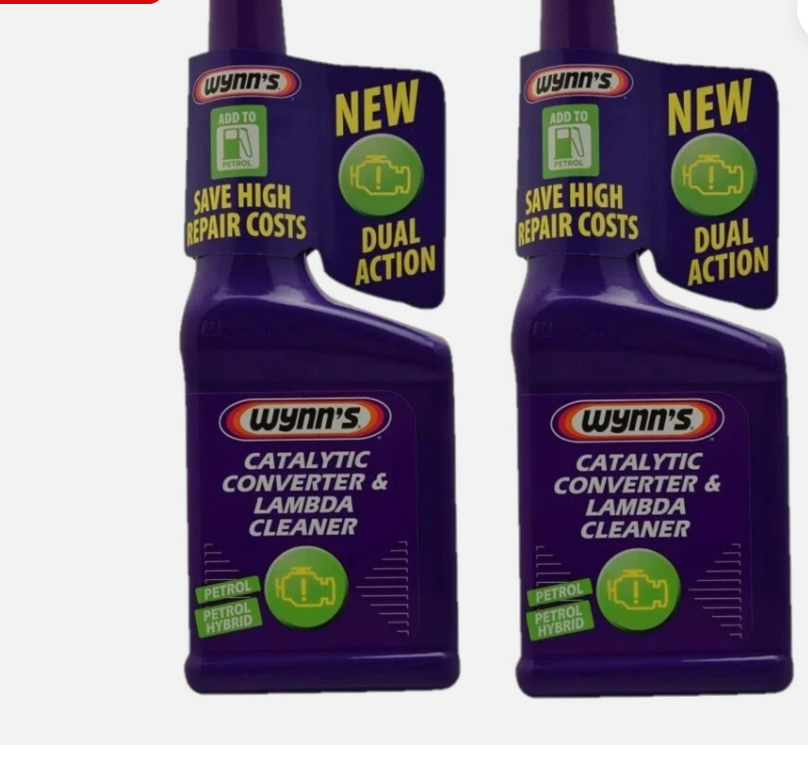
4. Wynn’s Catalyst & Lambda Sensor Cleaner 325 ml
Wynns Oxygen Sensor Cleaner
Next, Wynn’s Catalytic Converter & Lambda Cleaner optimizes catalytic converter efficiency and ensures optimal operation of lambda (oxygen) sensors. It eliminates deposits (oil and unburned fuel particles) and reduces emissions. It ensures optimal operation of the catalytic converter and O2 sensors, extends the life of the catalytic converter and oxygen sensors, and prevents OBD warning lights from illuminating.
PROS OF WYNN’S CATALYST AND LAMBDA SENSOR CLEANER
This product is easy to use .
Can restore the performance of your engine.
Improves fuel economy.
Carries out effective cleaning of the sensor system.
CONS:
Cannot fix broken parts.
Only best for high-speed drivers.
It requires additional cost, making it an expensive product.
5. Automated Cleaning Systems
Automated Oxygen Sensor Cleaner
Analytical probe cleaning systems are automated solutions that reliably clean and, in some systems, calibrate analytical probes inline to improve measurement accuracy, optimize measurement uptime, and free up personnel for other tasks. Automated cleaning systems are particularly useful for measurements in aggressive fluids with high pressures and temperatures. Using these analytical probe cleaning systems significantly increases probe lifespan and prevents downtime.
Why Use This:
Accurate measurements using well-maintained sensors allow for better process control.
The very low intervention of the operator reduces the presence of personnel in dangerous areas and frees them up for more critical tasks.
Measurement points requiring a lot of maintenance become economically viable.
How it works
So, how does it work? When maintenance is required, the system removes the sensor into a retractable housing where cleaning and calibration are performed. Once maintenance is complete, the system returns the sensor to the process.
EasyClean 500 is compatible with a wide range of cleaning products to meet all requirements.
Six predefined programs and two customizable programs offer great versatility of use.
Programs can be triggered remotely, automatically via ISM diagnostics which monitor the sensor status, or according to a fixed schedule.
Reliable process control
Automated probe maintenance with EasyClean 500 and predictive diagnostics from ISM ensure reliable measurements and process consistency.
Up to 80% less maintenance
The only intervention by a technician on an EasyClean 500 system is the periodic refilling of cleaning and buffer solutions, as well as the occasional replacement of sensors.
For measuring points requiring a lot of maintenance
Some measurement points requiring significant maintenance under harsh process conditions are too expensive to operate. The EasyClean 500 automatically cleans the sensors as often as needed, making these measurement points economically viable.
STEP BY STEP: How to Clean the Oxygen Sensor
Follow these steps, to clean your oxygen sensor:
The first step is to find the oxygen sensor, inside the exhaust system.
Next step, remove the battery.
Also remove the sensor.
Now, carefully, spray the sensor cleaner on the sensor.
Cleaning may not work if the sensor is already worn out.
You should consider replacing the oxygen sensor if:
Your vehicle has over 100,000 miles
The check engine light keeps returning
Diagnostic codes point to sensor failure
The sensor is physically damaged
Replacing the sensor ensures accurate readings and long-term performance.
How to Prevent Oxygen Sensor Contamination
Maintenance is often the best thing you can do for your car components. Maintenance prevents your sensor system from failing. Other ways you can prevent your sensors from getting contaminated are:
By avoiding bad fuel.
Fix leaks promptly.
Fix coolant leaks quickly.
Do not use low quality fuel additives.
Frequently Asked Questions
When do I replace my sensor instead of cleaning it?
You need to change your sensor instead of cleaning it when you notice that the engine light remains on after cleaning your it and your car mileage is over 100,000 miles.
Can I use fuel additives to clean oxygen sensors?
It’s not advisable to use fuel additives to clean your sensors.
How long should my oxygen sensor last?
Generally, most oxygen sensor can stay strong for up to 60,000 to 90,000 miles, of course, depending on a number of factors.
Conclusion
Conclusively, oxygen sensor cleaners are special types of cleaners used for keeping your car sensors free form oil, dirt, carbon deposits and other contaminant. These cleaners boost the performance of your car engine. Though, they are not a guaranteed fix, they help extend the lifespan of your car engine. Some common signs that your engine require cleaning include: bad emission, low fuel economy and persistent engine light on your dashboard.








 Car Maintenance Tips12 months ago
 Car Maintenance Tips12 months ago
 Car Maintenance Tips1 year ago
 Car Maintenance Tips1 year ago
 Car Maintenance Tips1 year ago
 Electric Vehicles12 months ago
 Car Maintenance Tips1 year ago
 Car Maintenance Tips12 months ago