A camshaft position sensor (CMP sensor) is an electrical device in an internal combustion engine that detects the rotational position and speed of the camshaft. This information is delivered to the engine’s Engine adjust Module (ECM), which uses it to precisely adjust spark timing and fuel injection, assuring optimal engine performance, fuel efficiency, and decreased emissions.
How the Camshaft Position Sensor Works in Your Engine
Together with the crankshaft sensor, the camshaft sensor’s job is to pinpoint the precise location of the crankshaft drive. The engine control unit determines when the first cylinder is in the top dead point by combining the inputs from the two sensors.
This information is needed for three purposes:
For the start of injection during sequential injection.
For the actuation signal of the solenoid valve for the pump-nozzle injection system.
For cylinder-selective knocking control.
The Hall principle governs how the camshaft sensor operates. It scans a camshaft ring gear. The Hall voltage of the Hall IC in the sensor head is altered by the ring gear’s rotation. To establish the necessary data, the control unit receives this voltage change and evaluates it.
Types of Camshaft Position Sensors
Three main types of camshaft position sensors are available, and each has unique traits and purposes:
Magnetic Type Sensor
The magnetic type camshaft position sensor, which is distinguished by its two wires, produces a separate alternating current (AC) sine wave signal. It functions next to the camshaft, which has a permanent magnet mechanism, and is frequently located inside the distributor or on the camshaft. The magnet’s magnetic field activates and generates a pulse when it passes through the sensor. The Engine Control Module (ECM) receives this pulse and interprets it.
Hall Effect Sensor
The Hall Effect sensor is identified by its three wires, which include ground, reference power, and signal voltage wires. It has a slotted screen and a magnet attached to the shaft and is also mounted on the camshaft or inside the distributor. The sensor turns on and off when the screen shifts between the magnet and the sensor. As long as the screen remains a solid region in front of the sensor, the magnetic field won’t be disrupted, maintaining continuity in the feedback voltage.
AC Output Sensor
AC voltage signals are the output of these specialized camshaft position sensors. The exciter coil, which is placed close to a rotating disc, receives a high-frequency signal from the ECM that ranges from 150 to 2500 cycles.
There is a slot in this disc, which is fixed at the end of the camshaft. A signal specifying the location of the first cylinder is transmitted to the ECM as a result of mutual induction caused by the slot’s passage through the coil. Vauxhall ecoTEC engines frequently employ these sensors.
Why the Camshaft Position Sensor is Critical for Engine Performance
The camshaft position (CMP) sensor is important because it gives the engine’s control unit (ECU) accurate information about camshaft rotation. This information allows the ECU to optimize engine performance, smooth operation, lower emissions, and improve fuel efficiency by synchronizing ignition timing and fuel injection. When the engine’s combustion process is disturbed due to inaccurate CMP sensor data, symptoms including rough idling, stalling, hard starting, poor acceleration, and a sharp drop in fuel efficiency occur, making the car difficult to operate or even unusable.
Camshaft position sensor symptoms
When the camshaft position sensor fails, the check engine light illuminates, the engine has trouble starting or stalling, it idles rough, accelerates poorly, uses less fuel, and may misfire or even fail entirely.
The sensor gives the engine control module (ECM) information on camshaft position, which is essential for regulating fuel injection and spark timing, which leads to these problems. Poor performance and incorrect engine timing result from a malfunctioning sensor sending false information.
Check Engine Light
The presence of a malfunctioning camshaft position sensor is nearly always indicated by the lighting of the “check engine” light. It will probably need to be clear what the problem is when the light eventually turns on.
You can gain a better understanding of the situation by using an OBD2 scanner to look for any fault codes on your car. If you require access to an OBD2 scanner, you should bring your vehicle to be restored.
Difficulty Starting/No Start
Because the ECM lacks precise fuel and spark timing data, the engine may take a long time to crank or may not start at all.
Engine Stalling
Fortunately, this happens less frequently, but the engine switching off is a more worrisome indication. You run the danger of getting hurt whether you’re parked or driving. The second scenario might have grave repercussions.
You should not operate the car if your engine suddenly refuses to start. The ECU cannot recognize changes in the camshaft’s position when the camshaft sensor malfunctions. The engine’s intake and exhaust systems are now unable to operate correctly. Such conditions present a significant safety risk since the vehicle may lack power when accelerating and might possibly stall.
The Car Refuses To Start
The aforementioned symptoms are connected to these ones. When the camshaft sensor malfunctions, the ignition sequence becomes disorganized, making it extremely challenging to start the engine.
As with nearly every other symptom, there are several possible causes for this one. A malfunctioning starter, a clogged fuel filter, a dead battery, or any of a host of other possible problems could also be the reason why a car won’t start.
Reduced Fuel Economy
An unexpected amount of gasoline may be delivered to the combustion chamber as a result of the camshaft sensor giving the engine control unit inaccurate information. This could cause the computer to inject fuel disorderly, which would increase the vehicle’s fuel consumption and cause stalling and an inability to reach desired RPMs.
This will lead to a bad gas economy because more gasoline won’t be burned. This symptom may be harder to identify because it occurs over an extended period of time. Additionally, you should know how many miles your car typically gets on a gallon of gasoline.
Reduced Power From Engine
Reduced engine power can show up in two different ways. Either there is no warning or indicator on the dashboard and the car moves erratically, or the “limp mode” is to fault for the power reduction as a safety precaution.
The engine of your car may run more slowly when you coast or idle, or it may have less power when you accelerate. Additionally, it could show up as vibrations when the car is moving quickly. This whole situation is caused by misfires and poor combustion occurring in the engine’s cylinders.
Transmission Shifting Problems
The ability of the transmission to shift gears correctly may occasionally be impacted by a malfunctioning sensor.
Sloppy Exhaust Emissions
Increased emissions may result from inefficient fuel combustion brought on by ill timing.
Shaking Or Vibration When Driving
If the vehicle shakes or vibrates while being driven, it could indicate a problem with the camshaft sensor. Since the camshaft sensor’s primary function is to keep an eye on the engine’s condition, if the car jitters while you’re driving, it could be a sign that the sensor is malfunctioning, which would make the engine run irregularly.
What Causes The Camshaft Sensor To Fail?
The camshaft position sensor is a crucial component of the car engine. Engine stability will be negatively impacted once the camshaft position sensor fails. Camshaft position sensors may sustain damage from the following typical causes:
Dust and sludge are examples of impurities that get inside the sensor and cause poor contact or an internal circuit short circuit.
The sensor’s regular operation may be disrupted by improper installation or overly tight fastening screws, which could subsequently impact the generator’s ignition and fuel injection.
The sensor’s own quality issues, include manufacturing flaws or the use of subpar materials. Problems with sensor feedback may be difficult for the ECU to detect in this situation, which could impact engine performance.
Long periods of high engine load or malfunctions, such as excessive valve clearance or camshaft wear, can interfere with the camshaft sensor’s ability to function normally.
The severe conditions in which the vehicle is used—dusty, damp, and other places—can cause the sensor to age prematurely and sustain damage.
First, find the power, ground, and signal cables using the handbook that comes with your auto repair kit. Following that, use your multimeter’s “DC volts” mode to test the sensor circuit.
Request that your helper turn the ignition key to the on position, but do not tell them to start the engine.
The black probe should touch the ground of your meter, and the other probe should be attached to the electrical line. Verify your reading by comparing it to the handbook’s requirements.
Ask your helper to start the engine or turn the crank.
Use your meter’s black probe to make contact with the ground wire and its red search to make contact with the signal wire. Compare what you’ve read to the guidelines in the guidebook that was included with your auto repair. If the voltage signal is below normal, the sensor is nearly broken. It is highly likely that the sensor is malfunctioning if it gives no indication.
Remove the sensor and carefully inspect it for signs of contamination or physical damage.
It is a component of the circuit if you are unable to detect any problems with the camshaft position sensor. This problem is probably related to a component failure or an intermittent failure that you are experiencing. For example, you can have a tensioner or timing belt that has been overstretched or brittle from improper use.
How You Can Reset The Camshaft Position Sensor
A camshaft position sensor for an internal engine cannot be resented since it works like a magnet, turning on and off in response to the camshaft’s rotation. But you can use another one. A draw is used to activate or deactivate a camshaft position sensor whenever a camshaft is nearby. After completing this task, the camshaft sensor will gradually fit; make sure the camshaft position sensor is put appropriately before starting the operation.
In order for the ECU to decide how to proceed with the fuel and combustion processes, the camshaft must first establish its position and then relay that information to it.
A camshaft position sensor allows the engine’s electronic circuit unit to know the camshaft’s position at any given time. It can therefore identify the valve component and the subsequent course of action.
Fuel is delivered to the cylinders and ignited at the right time by coordinating the timing of the camshaft movement, which also influences the placement of the exhaust and fuel valves.
Can You Drive With a Bad Camshaft Position Sensor?
No, driving with a malfunctioning camshaft position sensor is not advised since it may cause stalling, power outages, rough idling, trouble starting, and even accidents, endangering both your safety and the safety of others. In addition to increasing fuel consumption, a malfunctioning sensor may result in long-term engine damage, including catalytic converter failure. To avoid these problems, it is best to replace the sensor as soon as feasible.
How long does a camshaft position sensor last?
Although a camshaft position (CMP) sensor is intended to last the vehicle’s lifetime, its actual lifespan varies depending on wear and tear and operating conditions. Many of them break too soon because of electrical problems, heat, dirt, or oil buildup. A CMP sensor should only be replaced if you notice signs of failure; there is no set replacement schedule.
Will a bad camshaft sensor prevent a car from starting?
Since the Engine Control Module (ECM) depends on the signals from the camshaft sensor to regulate vital processes like fuel injection and ignition timing, a malfunctioning or damaged camshaft sensor might definitely prohibit an automobile from starting. The engine may turn over but not ignite in a “crank no start” condition if the ECM is unable to precisely time these operations due to inaccurate camshaft position data.
Can cleaning the sensor fix the issue?
Yes, cleaning the sensor can resolve issues, particularly when dirt or grease is affecting how well it works. However, the kind of sensor and the particular issue determine how effective it is. Cleaning can remove dust-induced black patches from camera sensors. It can fix debris-related problems with car sensors, but if the sensor is broken or the issue is unrelated, a replacement may be required.
What error codes point to camshaft position sensor problems?
While some codes, like P0340, indicate a general malfunction, others, like P0341, suggest a range or performance issue, error codes P0340 to P0349 typically indicate a problem with a camshaft position sensor or its circuit. When the engine’s timing system, including the timing belt or chain, has faults, wiring problems, or the sensor itself, these codes are activated by the powertrain control module (PCM) when it detects an improper signal or timing from the sensor.
Conclusion
A failing camshaft position sensor can trigger a wide range of issues—from engine misfires, poor fuel efficiency, stalling, and rough idling to complete engine failure if left unchecked. Recognizing these warning signs early and performing timely diagnostics with an OBD-II scanner can save you from costly repairs and keep your vehicle running smoothly. Whether you choose a DIY replacement or professional repair, addressing camshaft sensor problems promptly ensures better engine performance, fuel economy, and long-term reliability. Always pay attention to unusual symptoms, because your car’s health—and safety on the road—depends on it.
Although it might not be the first thing drivers consider when maintaining their car, a fuel pump is one of the most important parts that keeps the engine operating efficiently. Delivering fuel from the tank to the engine at the proper pressure is its straightforward but crucial task. The symptoms of a failing fuel pump can rapidly worsen, from rough idling and sputtering to total engine shutdown, frequently leaving drivers stranded or with unanticipated repair costs.
Whether you’re dealing with early warning signals or getting ready for periodic maintenance, it’s critical for any car owner to understand the cost of replacing their fuel pump. The type of vehicle, the quality of the parts, and the location of the repair can all have a significant impact on the cost. It’s simple to overpay or consent to needless services if you don’t have the correct information.
We go over all you need to know about fuel pump replacement costs in 2026 in this extensive guide. You will discover the normal cost of the repair, the variables that affect price, typical indicators of pump failure, how technicians identify the problem, and useful advice to help you save money. This resource, which is supported by real-world facts and professional insights, is intended to provide you with confidence and clarity before you visit the repair shop.
What Does a Fuel Pump Do?
One of the most crucial parts of your car’s gasoline distribution system is the fuel pump. Its main function is to transfer gasoline at the exact pressure required for optimal combustion from the gas tank to the engine. Your engine cannot start, accelerate, or run consistently without fuel coming from a fuel pump that is operating properly.
Electric fuel pumps, which are usually found inside the fuel tank, are essential to modern automobiles. In order to support the sophisticated fuel injection systems of today, these pumps maintain constant fuel pressure.
Mechanical gasoline pumps installed on the engine block may be seen in older cars, particularly those with carbureted engines. Electric pumps are more durable and efficient than mechanical pumps, but they are also more complicated and expensive to maintain.
A well-functioning fuel pump ensures:
Proper engine performance
Stable fuel pressure during acceleration and high-speed driving
Efficient fuel combustion
Smooth idling and consistent power delivery
The pressure decreases or fluctuates when a fuel pump begins to malfunction. Common problems including hard starting, slow acceleration, sporadic stalling, and even total engine shutdown result from this.
Knowing how the fuel pump functions is crucial because it enables you to see early warning indicators, assess whether a replacement is required, and comprehend why prices might differ significantly based on the kind of pump and where it is located in your car.
Depending on your car, the kind of pump it uses, and where you want the service done, the cost of replacing your fuel pump might vary greatly. Most drivers should budget between $400 and $1,500 for a full fuel pump replacement. This covers the price of the component as well as the labor needed to install it.
Due to their complexity and placement inside the fuel tank, electric fuel pumps—which are frequently found in contemporary cars—tend to be more costly. In certain vehicles, changing the pump necessitates completely removing the gasoline tank, which adds to the expense and work time. Usually present in older or carbureted vehicles, mechanical pumps are easier to replace and normally cost substantially less.
Average Fuel Pump Replacement Cost
For a typical passenger vehicle, here’s what you can expect:
Parts: $150 – $800
Labor: $150 – $700
Total Cost: $400 – $1,500
On the top end of the spectrum are luxury cars, trucks with bigger fuel tanks, and automobiles that need to have their tanks removed. Older models and small economy cars, on the other hand, usually cost far less.
Parts vs. Labor Cost Breakdown
A fuel pump replacement isn’t just about swapping out a single component. Depending on the vehicle, the job may involve:
Replacing the fuel pump assembly
Installing a new fuel filter (if separate)
Inspecting or replacing fuel lines
Cleaning the fuel tank
Resetting fuel pressure or running diagnostics
The largest expense is frequently labor, particularly when the pump is housed inside the tank. Repair businesses may work for one and a half to four hours.
Estimated Price Range by Vehicle Category
Here’s a general idea of what different types of vehicles may cost:
Economy cars: $350 – $700
Sedans: $450 – $900
SUVs/Crossovers: $600 – $1,200
Pickup trucks: $700 – $1,500
Luxury vehicles: $900 – $2,000+
You can compare service alternatives, assess repair shop quotations more effectively, and be ready for any unexpected costs that may arise if more parts need to be replaced if you comprehend the cost breakdown.
Fuel Pump Replacement Cost by Vehicle Type
The cost of replacing a fuel pump varies depending on the vehicle. The final cost may vary depending on the gasoline system’s design, tank size, accessibility, and pump type. To help you understand where your car might lie on the pricing range, a thorough overview of average expenditures depending on several vehicle types is provided below.
Economy Cars
Estimated Cost: $350 – $700
Smaller tanks and simpler fuel systems are typical with economy cars like the Ford Fiesta, Toyota Corolla, Hyundai Elantra, and Honda Civic. Because their electric fuel pumps are simple to access and replace, labor costs are reduced. Aftermarket pump choices are commonly available, and parts are generally reasonably priced.
Why economy cars cost less:
Smaller fuel pump assemblies
Easy tank access
Lower parts cost
Faster installation time
Mid-Size & Full-Size Sedans
Estimated Cost: $450 – $900
More sophisticated fuel injection systems are typically found in sedans, and some models use fuel pump modules that are integrated with sensors or regulators. The cost of parts may increase as a result of these additional components. Unless tank removal is necessary, labor is still moderate.
Common examples: Honda Accord, Toyota Camry, Nissan Altima, Chevrolet Malibu.
SUVs & Crossovers
Estimated Cost: $600 – $1,200
SUVs frequently have more intricate layouts, larger fuel tanks, and higher-pressure pump systems. Parts and labor expenses rise as a result. An additional one to two labor hours are required in many SUVs because the fuel tank must be lowered in order to access the pump.
Why SUV costs are higher:
Bigger tanks = longer labor
More robust high-pressure pumps
Limited access in compact SUV designs
Pickup Trucks
Estimated Cost: $700 – $1,500
Fuel pump replacement expenses for pickup vehicles, especially full-size versions, can be among the highest. They frequently need more labor because to their enormous gasoline tanks, heavy-duty fuel systems, and multilayer components. Additionally, trucks may have sophisticated pump modules that are more expensive to replace.
Common examples: Ford F-Series, RAM 1500, Chevy Silverado, Toyota Tacoma
Hybrid & Electric-Assisted Vehicles
Estimated Cost: $800 – $1,600+
Fuel pumps are still used by internal combustion engines in hybrid cars. These pumps, however, are frequently extremely specialized and designed to meet various pressure needs. Replacement parts are therefore typically more costly.
Examples: Toyota Prius, Honda Insight, Hyundai Ioniq hybrids
Why hybrids cost more:
Complex dual-powertrain systems
Integrated sensors
Limited aftermarket parts availability
Signs Your Fuel Pump Is Failing
You can avoid unplanned breakdowns and expensive towing costs by being aware of the early warning indicators of a faulty fuel pump. Since the fuel pump is in charge of providing the engine with a constant fuel supply, even little malfunctions might result in noticeable performance concerns. Early detection of these indications enables you to plan repairs before the pump totally fails.
The most typical indicators that your fuel pump might be malfunctioning are listed below.
Engine Sputtering at High Speeds
Engine sputtering at higher speeds is one of the first and most typical symptoms. This occurs when the engine briefly loses power due to the fuel pump’s inability to provide steady pressure. A failing pump is most likely the culprit if the issue gets worse over time.
Difficulty Starting the Vehicle
Your automobile may not be getting enough fuel from the fuel pump if it cranks but has trouble starting. A failed pump typically results in longer-than-normal cranking followed by poor starts, while weak batteries or defective spark plugs can produce similar problems.
Loss of Power During Acceleration
When there is a lot of demand, like accelerating from a stop, climbing a slope, or hauling large loads, a failing pump may choke. Inconsistent fuel pressure may be the cause if you experience your car lagging, hesitating, or suddenly losing power in these situations.
Frequent Stalling
Random stalling is a clear sign of problems with fuel supply, particularly while the engine is warm. Before it totally ceases operating, a failing gasoline pump may experience sporadic failures. It’s critical to get your car evaluated right away if it stalls frequently and without notice.
Poor Fuel Efficiency
The engine may use more fuel than is necessary if the fuel pump isn’t properly controlling the fuel pressure. A discernible decrease in miles per gallon (MPG) could indicate that the pump is providing fuel inefficiently or working harder than it should.
Engine Misfires
Misfires can result from low or irregular fuel pressure, particularly when accelerating. Ignition problems can cause misfires, but when paired with other fuel-related symptoms, a failed pump is a common culprit.
Engine Overheating
In certain cars, the engine may overheat due to a broken fuel pump, particularly if the pump depends on fuel for lubrication and cooling. Pump failure is frequently indicated by overheating along with sputtering or halting.
Whining or Humming Noise From the Fuel Tank
One of the most prominent signs is a loud whining, whirring, or buzzing sound originating from close to the gasoline tank. A loud, continuous whine typically indicates that the pump is under stress or is about to fail, albeit some noise is normal.
Should You Replace or Repair a Fuel Pump?
When a Repair Might Be Possible
Sometimes a fuel pump issue doesn’t call for a complete replacement. Sometimes electrical problems like a malfunctioning relay, blown fuse, or broken wire can be fixed without actually touching the pump. If there are small internal obstructions, older mechanical pumps may also need to be cleaned. Furthermore, a malfunctioning external pressure regulator or a clogged fuel filter might simulate pump failure; fixing these problems alone may restore appropriate gasoline delivery.
Why Replacement Is Often the Best Option
Electric in-tank fuel pumps, which are typically sealed components integrated into a fuel pump module, are used in modern automobiles. Because of the sensors, regulators, and internal filters in these modules, repairs may be challenging or impossible. A complete replacement is usually required when the pump’s motor weakens, the pressure falls below manufacturer requirements, or there are loud whining noises. Replacing the module guarantees that every part works correctly and stops recurring malfunctions.
Long-Term Benefits of Replacement
More dependability and long-term value are obtained by replacing the fuel pump. While repairs frequently come with no guarantees, new pumps are made to survive for many years and are covered by warranties. It is more economical to replace the entire assembly at once rather than fix a malfunctioning part and then have to do it again because reaching the pump typically necessitates removing the gasoline tank.
Risks of Delaying Replacement
Delaying an essential replacement can cause major issues. It can be hazardous to drive when a gasoline pump fails since it might result in abrupt stalling, engine roughness, or total shutdown. If ignored, it could also put additional stress on the fuel injectors and ignition system, raising the expense of repairs.
Making the Right Decision
The safest and best course of action for the majority of drivers is to replace the fuel pump. Installing a high-quality replacement when diagnostic testing reveals that the pump is malfunctioning guarantees steady fuel delivery, prevents further malfunctions, and gives drivers piece of mind while driving.
DIY Fuel Pump Replacement: Should You Try It?
Although it may seem like a tempting method to save money, replacing a fuel pump yourself is a difficult task. Modern electric in-tank fuel pumps in particular are complicated, and incorrect installation can result in major safety issues, engine damage, or even fire hazards. You may determine whether doing it yourself is feasible or if hiring a professional mechanic is a safer option by being aware of the hazards, difficulties, and equipment needed.
Skill Level Required
A moderate to advanced degree of vehicle repair experience is necessary for do-it-yourself fuel pump replacement. You should know how to work with electrical connections, engine parts, and pressurized fuel systems. Even minor errors, like breaking a wiring harness or not correctly sealing the gasoline tank, can lead to expensive repairs or hazardous circumstances. Professional installation is strongly advised for people without any prior automotive experience.
Tools and Equipment Needed
Specialized tools are usually needed to replace a fuel pump. A fuel line disconnect kit, socket and wrench sets, jack stands or a lift, screwdrivers, and occasionally a fuel tank support strap are examples of common gear. Because gasoline is volatile, safety gear including gloves and eye protection are crucial. The procedure might become risky and time-consuming without the right equipment.
Safety Risks
Fuel systems use combustible liquids and run under pressure. Chemical exposure, fire, and fuel spillage can result from improper handling. Furthermore, contemporary fuel pumps are frequently found inside fuel tanks, necessitating the safe lowering or removal of the tank. The tank, the pump assembly, or other parts of the gasoline system could be harmed by improper handling during this procedure.
Vehicles That Are More DIY-Friendly
Some older cars with external access panels or mechanical gasoline pumps are better suited for do-it-yourself replacements. Sometimes skilled enthusiasts can safely service small automobiles with accessible pump assemblies and smaller gasoline tanks. The majority of contemporary automobiles, particularly SUVs, trucks, and high-end vehicles with in-tank electric pumps, are better left to experts.
Cost Savings vs. Risks
Although replacing something yourself can save money on labor, if you make a mistake during installation, the cost will be more than if you hire a professional. Incorrect installation may also negate warranty coverage for aftermarket items. Paying a reputable mechanic guarantees that the pump is installed properly, safely, and under warranty for the majority of drivers.
How Long Does a Fuel Pump Last?
Planning maintenance, avoiding unplanned failures, and budgeting for replacement costs all depend on understanding a fuel pump’s usual lifespan. Although gasoline pumps are made to survive, a number of factors can affect how long they last and when replacement is required.
Although some may fail sooner due to wear or poor maintenance, the majority of fuel pumps in modern cars endure between 100,000 and 200,000 miles. Because they run more effectively and are continuously lubricated and cooled by gasoline, electric in-tank pumps typically last longer than earlier mechanical pumps. Pumps are susceptible to deterioration and damage over time, though.
A fuel pump’s lifespan is influenced by a number of things. A significant factor is fuel quality; poor or tainted fuel can introduce debris that clogs the pump, erodes internal parts, and lowers overall performance. Driving habits are also important because they can put additional strain on the pump, such as frequent short journeys, excessive towing, or repetitive acceleration under load. Because fuel serves as a coolant for the pump motor, vehicles that frequently run on low fuel levels may also suffer from premature pump wear.
Fuel pump life can be greatly increased with preventive maintenance. It is possible to lessen the load on the pump and avoid contamination by using high-quality fuel, keeping the tank sufficiently full, and changing the fuel filters on a regular basis. Additionally, observing early warning indicators—like sputtering, trouble starting, or strange noises—enables prompt investigation prior to a complete breakdown.
Drivers can avoid unexpected repairs and budget for replacement expenses by knowing how long fuel pumps last. We’ll look at ways to reduce the cost of replacing a fuel pump in the next section, including advice on labor, parts, and preventative measures.
How to Save Money on Fuel Pump Replacement
Although replacing a fuel pump might be expensive, there are a number of ways to cut costs without sacrificing quality or safety. You may cut expenses and prevent needless repairs by properly preparing and being aware of your options.
Compare Multiple Quotes
Getting quotes from many service providers is one of the easiest methods to save money. Part prices might fluctuate greatly, and labor rates are frequently charged differently by dealerships, independent mechanics, and mobile services. You can find the ideal deal between price and service quality by comparing several quotations. Ask about extra costs for gasoline filters, gaskets, or diagnostic services, and always make sure the quotation includes both parts and labor.
Consider Aftermarket Parts
While still offering dependable performance, aftermarket gasoline pumps are frequently less expensive than OEM (Original Equipment Manufacturer) components. Reputable aftermarket companies can provide a more affordable option, particularly for mid-range or economy cars. However, it’s crucial to stay away from subpar, unreliable parts that could break down too soon and result in extra expenses.
Practice Preventive Maintenance
Your fuel pump’s lifespan can be increased and expensive replacements can be avoided with preventive maintenance. The pump is less stressed when fuel filters are changed on a regular basis, clean, premium fuel is used, and the tank is kept almost empty. By keeping an eye out for early warning indicators like sputtering, strange noises, or trouble starting, you can take care of issues before they get out of hand and save money and worry.
Leverage Discounts and Warranties
For fuel system maintenance, many repair shops provide coupons, promotions, or package packages that can drastically lower labor and part expenses. A gasoline pump replacement may also be partially or completely covered by extended vehicle coverage, manufacturer warranties, or service agreements. Before committing to a repair, always check your warranty alternatives as this might result in significant savings.
Frequently Asked Questions About Fuel Pump Replacement
Can I drive with a failing fuel pump?
It is dangerous to drive when the fuel pump is malfunctioning. Engine stalling, sputtering, or total shutdown might be caused by a weak or erratic pump. Short excursions could be tolerable, but long drives can leave you stranded or further harm the engine and fuel system. As soon as symptoms start to show, it is preferable to have the pump inspected.
How long does a fuel pump replacement take?
The type of pump and your car will determine how long it takes. A replacement can take 1.5 to 3 hours for the majority of cheap cars. It could take four to five hours for cars with huge fuel tanks, intricate layouts, or in-tank pumps. The service time may be prolonged by additional tasks like cleaning the tank or changing the gasoline filters.
How much does a fuel pump replacement cost?
Fuel pump replacement typically costs between $400 and $1,500, including labor and parts. SUVs, trucks, luxury cars, and hybrid vehicles are typically more expensive than economy cars and older cars. The intricacy of the fuel system, labor rates, and the quality of the parts (OEM vs. aftermarket) all affect prices.
What causes fuel pumps to fail?
There are several reasons why fuel pumps fail. Common causes include clogged filters, electrical problems, operating the tank constantly close to empty, tainted fuel, and wear and tear over time. Pump wear can also be accelerated by difficult driving circumstances, such as pulling large loads or making many short excursions.
Will my warranty cover fuel pump replacement?
Coverage is determined by the warranty on your car. Fuel pump failures may be covered by powertrain or fuel system warranties found on many new cars. There may also be extended warranties or service agreements. Before paying for repairs, it’s crucial to check your warranty documents to make sure you are covered.
How can I tell if it’s the fuel pump or fuel filter?
Stalling, sluggish acceleration, and trouble starting are signs of both a broken pump and a blocked fuel filter. In order to identify the underlying problem, mechanics typically test the fuel pressure and examine both parts. If the pump is still operating correctly, replacing the filter first is frequently less expensive and might resolve the issue.
Can dirty fuel damage the fuel pump?
Yes, Contaminated fuel, dirt, and debris can block the pump, deteriorate internal parts, and lower efficiency. The pump can be protected and its lifespan increased by using high-quality fuel, changing filters on a regular basis, and avoiding low fuel levels.
Is it worth repairing a fuel pump instead of replacing it?
It is rarely advised to fix a fuel pump in the majority of contemporary automobiles. Since electric in-tank pumps are sealed devices, their full functionality might not be restored by partial repairs. Replacement guarantees continuous gasoline flow, warranty coverage, and long-term dependability.
Are fuel pumps different for hybrid vehicles?
Fuel pumps continue to power the combustion engine in hybrid cars. However, these pumps are more costly and complicated since they are frequently designed specifically to operate with dual-powertrain systems. Only qualified personnel with experience with hybrid fuel systems should carry out repairs or replacements.
Conclusion
Every car owner must be aware of the costs associated with replacing their fuel pump. Knowing what to anticipate can help save time and money, from spotting early warning signs and diagnosing issues to deciding between replacement and repair.
Costs vary based on the type of vehicle, labor costs, and quality of the parts, but you can prolong the life of your pump and avoid unplanned breakdowns by taking preventive steps like using clean fuel, maintaining your fuel filter on a regular basis, and resolving problems early. You can guarantee a dependable fuel system without going over budget by comparing prices, taking into account aftermarket parts, and selecting the best service provider.
Engine performance depends on your gasoline pump, and by making wise choices now, you can maintain your car’s smooth operation for many years to come.
The engine performance, fuel economy, and emissions control of your car all depend heavily on the oxygen sensor. It continuously measures the amount of oxygen in the exhaust gases and transmits this information to the engine control unit (ECU), which modifies the air-fuel mixture for the best possible combustion.
The oxygen sensor may provide erroneous readings to the ECU if it gets polluted by carbon deposits, oil residue, or fuel additives. Common driving problems including low fuel economy, rough idling, decreased engine power, and an illuminated check engine light are frequently the result of this.
For automobile owners who wish to improve engine performance without having to replace the sensor right away, learning how to clean an oxygen sensor can be a useful and affordable alternative. Cleaning can assist prolong the life of a failing or worn-out sensor and enhance engine responsiveness when contamination is the primary problem, but it is not a long-term solution.
This guide will help you make an informed decision before spending money on needless replacements by providing a clear, experience-based explanation of when oxygen sensor cleaning makes sense, how it affects your car, and what to expect from the process.
What Is an Oxygen Sensor and How Does It Work?
An essential part of your car’s engine management and emissions control system is an oxygen sensor, sometimes known as an O2 sensor. It measures the amount of unburned oxygen in the exhaust gases and is inserted in the exhaust system. The engine control unit (ECU) receives this data continually, enabling the engine to modify the air-fuel mixture for effective combustion. Your engine runs smoothly, consumes fuel effectively, and emits less dangerous emissions when the mixture is right.
For modern cars to operate at their best, precise oxygen sensor readings are crucial. The ECU recognizes a lean condition and supplies more fuel if the sensor finds excessive oxygen in the exhaust. The ECU lowers fuel supply to avoid a rich mixture if it detects insufficient oxygen. This equilibrium can be upset by even tiny errors brought on by carbon buildup or dirt, which can result in obvious performance issues. Because of this, it’s crucial to comprehend how the oxygen sensor functions before trying to clean it.
How Oxygen Sensors Communicate With the Engine
Based on the amount of oxygen in the exhaust gases, oxygen sensors produce a voltage signal. As driving conditions vary, this signal varies quickly, particularly in upstream sensors that are situated before the catalytic converter. The ECU continuously evaluates these voltage variations and modifies fuel injection and ignition timing in real time. Contamination slows down the sensor’s response time, which results in delayed or inaccurate adjustments that have a detrimental impact on emissions and engine economy.
The majority of cars have several oxygen sensors. While downstream oxygen sensors keep an eye on the catalytic converter’s effectiveness, upstream oxygen sensors—also known as pre-catalytic sensors—are in charge of controlling the air–fuel combination.
Heated oxygen sensors (HO2S) are used in some cars, and they immediately warm up to give precise readings soon after starting up. It’s crucial to know what kind of oxygen sensor you’re working with because upstream sensors are more sensitive and more likely to exhibit obvious symptoms when they get dirty.
Understanding how oxygen sensors work and how they affect engine performance provides a strong basis for understanding when cleaning is necessary and how it can assist restore correct readings.
Long before it totally fails, a dirty oxygen sensor frequently exhibits warning indicators. Even small contamination might produce obvious performance problems because the sensor directly influences how your engine controls fuel and pollutants. Early detection of these indications will help you determine whether replacing the oxygen sensor is a better alternative or if cleaning it is worthwhile.
Check Engine Light Comes On
A check engine light is one of the most typical indicators of a filthy oxygen sensor. The system identifies an anomalous air-fuel combination and saves a fault code when the sensor provides inaccurate or slow-reacting data to the ECU. These codes frequently have to do with fuel mixture imbalance, sluggish reaction, or oxygen sensor performance. A check engine light is frequently the first sign that cleaning or more testing is required, even if it does not always indicate that the sensor is defective.
Poor Fuel Economy
The engine may run richer than necessary due to a dirty oxygen sensor, which would increase fuel consumption. A dirty oxygen sensor may be the reason if you find that you’re filling up the tank more frequently without changing your driving behavior. In certain cases, cleaning the sensor might assist increase fuel efficiency and restore correct readings, particularly if the buildup is minor.
Rough Idling and Engine Hesitation
When the oxygen sensor provides delayed or inaccurate readings, the ECU struggles to maintain the correct air–fuel ratio. This can result in rough idling, engine hesitation during acceleration, or even stalling in severe cases. These symptoms are particularly noticeable at low speeds or when the engine is warming up.
Failed or Poor Emissions Test Results
Because oxygen sensors are essential for controlling emissions, a dirty sensor might increase the amount of dangerous exhaust gases your car produces. This frequently results in higher-than-normal readings during inspections or failed emissions testing. If contamination is the main problem, cleaning the oxygen sensor may help temporarily reduce emissions.
Dirty vs. Failing Oxygen Sensor
Differentiating between an oxygen sensor that is unclean and one that is malfunctioning because of internal damage or aging is crucial. Cleaning is a feasible solution because a filthy sensor may still work but react slowly. However, replacement is typically the only dependable option if the sensor is outdated, physically damaged, or continuously generating error signals even after cleaning.
Can You Clean an Oxygen Sensor? What Experts Recommend
Many car owners are unsure if cleaning an oxygen sensor is a permanent fix or merely a stopgap measure. In the middle is where the truth is found. Cleaning an oxygen sensor can be helpful in some circumstances, but it is not a permanent solution, especially for older or internally damaged sensors, according to automotive specialists and skilled mechanics.
When Cleaning an Oxygen Sensor Makes Sense
When an oxygen sensor is polluted by carbon deposits, fuel additives, or light oil residue but is still physically sound, cleaning it can be beneficial. Poor fuel quality, brief driving excursions that hinder adequate engine warm-up, or small oil leaks that let impurities enter the exhaust system are frequently the causes of this condition. In these situations, cleaning could enhance idle quality, fuel efficiency, and throttle response while also restoring the sensor’s responsiveness.
Why Manufacturers Often Recommend Replacement
The majority of automakers do not formally advise cleaning oxygen sensors. This is due to the sensor element’s delicate nature and precise operating conditions. The sensor may be harmed by harsh cleaning techniques or inappropriate chemicals, which could result in erroneous readings or total failure. Because of this, manufacturers typically recommend replacing an oxygen sensor as soon as it starts to exhibit problems, particularly after it has achieved its anticipated service life, which is normally between 60,000 and 100,000 miles.
Cleaning vs. Replacement: A Practical Perspective
Practically speaking, cleaning an oxygen sensor may be worthwhile if you’re trying to determine whether the sensor is actually defective or debugging performance concerns on a tight budget. Experts advise against viewing cleaning as a long-term fix, but rather as a diagnostic or short-term fix. The safer and more dependable course of action is to replace the sensor if it still generates error codes or if symptoms recur soon after cleaning.
Expert Tip Before You Decide
It is advised to check your car for error codes and rule out other problems like exhaust leaks, vacuum leaks, and defective spark plugs before cleaning an oxygen sensor. These issues may be mistaken for oxygen sensor failure and result in needless replacement or cleaning.
Tools and Materials Needed to Clean an Oxygen Sensor
It’s crucial to assemble the necessary equipment and supplies before you start cleaning an oxygen sensor. In addition to making the task simpler, using the right tools lowers the possibility of harming the sensor or other engine parts. Because oxygen sensors are sensitive and subjected to high temperatures, cleaning them safely and effectively requires careful handling with the right equipment.
Essential Tools
An oxygen sensor socket or an appropriate wrench that fits around the sensor’s wiring without damaging it are required to remove and reinstall the oxygen sensor. If the sensor is situated beneath the car, a jack and jack stands could also be required. Wheel chocks should always be used to keep the automobile from rolling while it is being elevated. You can also access sensors in awkward or confined spaces by using a ratchet and extension.
Cleaning Materials
A sensor-safe cleaning solution, such as an oxygen sensor cleaner or a non-residue brake or carburetor cleaner, is the most crucial component. These products are made to remove carbon accumulation without creating hazardous deposits. Additionally, you might need paper towels or lint-free cloths for drying, a clean container for soaking the sensor, and a gentle brush to remove any loose dirt. Abrasive materials should be avoided as they may harm the delicate sensor tip.
Safety Equipment
A sensor-safe cleaning solution, such as an oxygen sensor cleaner or a non-residue brake or carburetor cleaner, is the most crucial component. These products are made to remove carbon accumulation without creating hazardous deposits. Additionally, you might need paper towels or lint-free cloths for drying, a clean container for soaking the sensor, and a gentle brush to remove any loose dirt. Abrasive materials should be avoided as they may harm the delicate sensor tip.
Safety Precautions Before Cleaning an Oxygen Sensor
Although cleaning an oxygen sensor might appear simple, neglecting fundamental safety precautions could result in harm to yourself or damage to your car. Before you start the cleaning procedure, you must take the necessary measures since oxygen sensors are mounted in the exhaust system and function at very high temperatures.
Let the Engine Cool Completely
Before attempting to remove an oxygen sensor, always let the engine and exhaust system cool completely. Touching exhaust components too quickly can result in severe burns since they can stay hot long after the engine is shut down. Additionally, there is less chance of injuring the sensor threads during removal if the engine is fully cooled.
Disconnect the Battery
Disconnect the battery’s negative terminal before working on any engine-related parts. When unplugging the oxygen sensor connector, this guards against unintentional electrical shorts and shields the engine control unit (ECU) from possible harm.
Work in a Well-Ventilated Area
Strong fumes from the majority of oxygen sensor, brake, and carburetor cleaners can be dangerous if inhaled in enclosed areas. To minimize exposure to chemical fumes, always operate outside or in a garage with enough ventilation.
Handle the Sensor With Care
Particularly at the sensing tip, oxygen sensors are delicate. Oils and dirt can interfere with the sensor’s functionality, so don’t drop it or touch the tip with your fingers. Scraping the sensor with sharp objects or abrasive materials might cause irreversible damage to the detecting element.
Use Proper Vehicle Support
Make sure the automobile is firmly supported by jack stands set on stable ground if you need to access the sensor from underneath it. A hydraulic jack can malfunction at any time, therefore you should never rely on it exclusively.
How to Clean an Oxygen Sensor (Step-by-Step Guide)
It takes time and careful attention to detail to clean an oxygen sensor. When carried out properly, it can eliminate carbon accumulation and bring back more precise results, particularly if the sensor is only slightly contaminated. To get the best results and prevent sensor damage, carefully follow the instructions below.
Step 1: Locate the Oxygen Sensor
The exhaust system is equipped with oxygen sensors. The majority of cars are equipped with a minimum of two sensors, one upstream and one downstream of the catalytic converter. Downstream sensors are located farther back along the exhaust pipe, whereas upstream sensors are often installed on the exhaust manifold. If you’re not sure where it is, go to the service handbook for your car.
Step 2: Disconnect the Electrical Connector
Unplug the oxygen sensor’s electrical link after the engine has fully cooled. Gently pull the connector apart without pushing it by pressing the release tab. Steer clear of physically pulling on the wires as this may result in internal damage and subsequent inaccurate readings.
Step 3: Remove the Oxygen Sensor
Using an oxygen sensor socket or a suitable wrench, carefully loosen the sensor by turning it counterclockwise. If the sensor is stuck due to heat or corrosion, apply a small amount of penetrating oil and allow it to sit for a few minutes before trying again. Take your time during this step to avoid stripping the threads or breaking the sensor.
Step 4: Inspect the Sensor for Contamination
After removal, take a close look at the sensor tip. The detecting element of a dirty oxygen sensor usually has light greasy residue or black carbon deposits. Cleaning might not work if the sensor looks fractured, severely corroded, or covered in heavy oil deposits; in these cases, replacement is typically preferable.
Step 5: Clean the Oxygen Sensor Properly
Put the sensor tip in a container and liberally spray it with a carburetor cleaner, brake cleaner, or sensor-safe cleaning. To remove carbon buildup, let the sensor soak for ten to fifteen minutes. You can gently shake the sensor in the cleaner, but avoid using sharp objects or scrubbing the tip. Do not clean the wiring or electrical connector.
Step 6: Allow the Sensor to Dry Completely
After cleaning, take the sensor out of the cleaner and allow it to fully air dry. The delicate sensor device may be harmed if compressed air or cloths are used to expedite drying. A thorough drying process guarantees that no residue is left behind that can affect sensor readings.
Step 7: Reinstall the Oxygen Sensor
To prevent cross-threading, carefully reposition the oxygen sensor by hand. Once hand-tight, tighten it tightly with your wrench, adhering to any relevant manufacturer torque guidelines. Make sure the electrical connector clicks firmly into position after reconnecting it.
Step 8: Reconnect the Battery and Test the Vehicle
Start the engine after reconnecting the battery terminal. Check for warning lights after letting it idle. You might need to use an OBD-II scanner to delete the error codes if the check engine light was previously on. Take a quick test drive to discover if the car performs better and uses less gasoline.
Some automobile owners seek methods to clean an oxygen sensor without physically removing it from the exhaust system because they prefer a less involved technique. Even if this approach is more practical, it’s crucial to recognize its limitations and know when it might actually be helpful.
Using Fuel Additives to Clean Oxygen Sensors
Fuel system cleaners and oxygen sensor cleaning additives are designed to reduce carbon buildup inside the engine and exhaust system. These products are added directly to the fuel tank and whow to clean oxygen sensorork gradually as the engine runs. Over time, they can help burn off light carbon deposits on the oxygen sensor, especially if the contamination is minor and caused by poor fuel quality or short driving cycles.
This method is best suited for preventive maintenance rather than fixing severe oxygen sensor issues. If the sensor is only slightly dirty, using a high-quality fuel additive may improve sensor response and fuel efficiency after several driving cycles.
Pros and Cons of Cleaning Without Removal
Convenience is this method’s greatest benefit. Lifting the car, removing parts, or handling delicate parts are not necessary. Additionally, there is less chance that the sensor will be harmed during removal. The drawback is that it is significantly less efficient than cleaning by hand. Heavy carbon accumulation, oil pollution, and debris from mechanical problems like worn piston rings or oil leaks cannot be removed by fuel additives.
When This Method Is Worth Trying
If there are no persistent problem codes and your car is exhibiting moderate symptoms like occasional hesitation or slightly decreased fuel economy, cleaning an oxygen sensor without removing it may be worthwhile. If the check engine light is always on or if diagnostic codes point to a sensor failure, it should not be trusted.
Common Mistakes to Avoid When Cleaning an Oxygen Sensor
If there are no persistent problem codes and your car is exhibiting moderate symptoms like occasional hesitation or slightly decreased fuel economy, cleaning an oxygen sensor without removing it may be worthwhile. If the check engine light is always on or if diagnostic codes point to a sensor failure, it should not be trusted.
Using the Wrong Cleaning Chemicals
Using improper chemicals, such as WD-40, gasoline, engine degreasers, or home solvents, is one of the most frequent mistakes. Inaccurate readings may result from these products damaging the sensing element or leaving residues on the sensor. Always use a carburetor cleaning, brake cleaner, or sensor-safe cleaner that evaporates cleanly and leaves no residue behind.
Scraping or Touching the Sensor Tip
An oxygen sensor’s detecting component is incredibly sensitive. The sensor can be irreversibly harmed by using screwdrivers, wire brushes, or sandpaper to remove carbon deposits. In a similar vein, using bare fingers to contact the sensor tip may transmit oils that prevent it from functioning properly. Instead of using physical force, cleaning should rely on soaking and mild chemical action.
Reinstalling the Sensor Before It Dries
Another common error is to reinstall the oxygen sensor before it has completely air-dried. Sensor performance may be impacted by trapped moisture or cleaning residue, which could result in new error codes. Before replacing the sensor, always give it enough time to dry.
Ignoring Underlying Engine Problems
Frequently, a dirty oxygen sensor is a symptom rather than the underlying reason. A cleaned sensor can be rapidly recontaminated by oil leaks, rich fuel mixes, misfires, or coolant leaks. Cleaning may become ineffective and cause recurrent troubles if these underlying problems are not addressed.
Assuming Cleaning Is a Permanent Fix
A lot of individuals think that cleaning will permanently fix an oxygen sensor. In actuality, cleaning is typically only a short-term fix. Replacement is frequently the most dependable and economical choice if the sensor is outdated or frequently generating error signals.
How Long Does a Cleaned Oxygen Sensor Last?
An oxygen sensor’s function can be momentarily restored by cleaning it, but it’s crucial to have reasonable expectations about how long the recovery will continue. The type of contamination, the age of the sensor, and the general health of the engine all affect how long a cleaned sensor lasts.
Temporary Improvement vs. Permanent Solution
For a few thousand miles, a cleaned oxygen sensor usually exhibits discernible improvements in throttle response, idle smoothness, and fuel efficiency if the contamination was minor. However, cleaning cannot permanently restore internal wear, severe carbon buildup, or oil pollution. Replacement is the most dependable course of action in these situations because symptoms frequently return quickly.
Factors That Affect Longevity
Driving habits: Frequent short trips that don’t allow the engine to reach optimal temperature can lead to quicker sensor contamination.
Fuel quality: Poor-quality fuel or fuel with high ethanol content can contribute to faster carbon buildup.
Engine condition: Oil leaks, worn piston rings, or misfires can deposit residues on the sensor repeatedly.
Realistic Expectations
It is advisable to think of cleaning as a diagnostic or short-term maintenance procedure rather than a long-term solution. To guarantee accurate readings and long-term engine performance, replacement is advised if your sensor is more than 80,000–100,000 miles old or continues to display error codes even after cleaning.
When You Should Replace Instead of Clean an Oxygen Sensor
In certain cases, replacing an oxygen sensor is the only dependable option, even if cleaning it can occasionally restore its functionality. Recurring problems, wasted time, and possible engine damage can all be avoided by knowing when to replace the sensor.
Sensor Age and Wear
Depending on your car and driving circumstances, oxygen sensors usually have a limited lifespan of 60,000 to 100,000 miles. Cleaning won’t make sensors that are close to or beyond this mileage responsive again because they frequently experience internal failures. Replacement is the safest course of action in these situations.
Persistent Error Codes
The sensor may be malfunctioning electrically rather than being dirty if your car’s check engine light stays on or diagnostic scans reveal recurring O2 sensor faults even after cleaning. The ECU cannot make inaccurate air-fuel adjustments thanks to a new sensor that guarantees reliable data.
Physical Damage
Excessive heat, coolant or oil contamination, or improper handling during prior maintenance can all harm oxygen sensors. In order to restore appropriate engine performance, sensors that are bent, rusted, or cracked must be replaced rather than cleaned.
Impact on Engine Performance
Fuel economy, throttle responsiveness, and emissions management are all improved by replacing a malfunctioning oxygen sensor, frequently more successfully than by frequent cleaning. Replacement offers a long-term solution for drivers who have frequent misfires, rough idling, or excessive fuel consumption.
Cost Comparison: Cleaning vs. Replacing an Oxygen Sensor
Cost is a significant consideration when choosing whether to clean or replace an oxygen sensor. You can select the most sensible and economical course of action by being aware of the associated costs.
DIY Cleaning Costs
Cleaning an oxygen sensor yourself is relatively inexpensive. The main costs include:
Sensor-safe cleaner or carburetor/brake cleaner: $5–$15
Oxygen sensor socket or wrench (if not already owned): $10–$20
Safety gear (gloves, goggles): $5–$10
Overall, DIY cleaning can be done for $20–$45, making it a budget-friendly way to address minor contamination issues.
Replacement Costs
The cost of replacing an oxygen sensor varies depending on the vehicle make and sensor type:
Aftermarket oxygen sensor: $30–$80
OEM oxygen sensor: $80–$200
Professional labor: $50–$150 per sensor (if not doing it yourself)
Depending on whether you choose an OEM or aftermarket sensor and whether you install it yourself or pay for it, the total replacement costs might vary from $80 to $350.
Frequently Asked Questions (FAQ) About Cleaning Oxygen Sensors
Can a Dirty Oxygen Sensor Cause Misfires?
Yes. A contaminated oxygen sensor can send inaccurate readings to the ECU, causing an improper air–fuel mixture. This can lead to misfires, rough idling, or hesitation during acceleration. Cleaning the sensor may temporarily improve performance, but persistent misfires may indicate a failing sensor or another engine issue.
Does Cleaning an O2 Sensor Improve Fuel Economy?
Restoring reliable signals from a little polluted oxygen sensor can assist increase fuel efficiency. However, if the sensor is outdated or severely damaged, the improvement is typically slight and transient. Long-term fuel efficiency depends on proper maintenance and fixing underlying engine problems.
Can I Use WD-40 or Gasoline to Clean the Sensor?
The delicate sensor element may be harmed by WD-40, gasoline, or other common household chemicals. Always use brake, carburetor, or sensor-safe cleaners that evaporate without leaving residue.
How Often Should Oxygen Sensors Be Cleaned?
Oxygen sensors are not typically cleaned as part of routine maintenance. Cleaning is only recommended when symptoms of contamination appear, such as a check engine light, rough idling, or decreased fuel economy. For long-term reliability, replacement according to manufacturer recommendations is preferred.
Can Cleaning an Oxygen Sensor Fix All Engine Performance Issues?
No. A dirty oxygen sensor is often a symptom rather than the root cause of engine problems. Issues like oil leaks, misfires, or vacuum leaks can also affect sensor performance. Cleaning may help temporarily, but addressing the underlying problem is essential for lasting results.
Conclusion
Cleaning an oxygen sensor can be a practical and affordable solution to increase fuel efficiency, eliminate small carbon buildup, and temporarily restore engine performance. It’s crucial to recognize its limitations, though, as cleaning is not a long-term solution and worn-out or broken sensors frequently need to be replaced for dependable long-term functioning.
Car owners can safely attempt do-it-yourself cleaning by identifying the symptoms of a filthy oxygen sensor, using the right equipment and cleaning techniques, and avoiding frequent mistakes. Replacement is still the most reliable option for sensors that are outdated, physically damaged, or consistently producing error codes. Your engine and oxygen sensors will continue to function well for many years with proper upkeep, high-quality fuel, and prompt repairs.
A little but essential part of your car’s cooling system is the thermostat. Its primary function is to control the coolant flow between the engine and the radiator in order to regulate engine temperature. The engine warms up fast and maintains a safe temperature range while driving when the thermostat is operating correctly.
But when the thermostat starts to malfunction, it can lead to a number of issues, from severe engine overheating to inefficient fuel use. You can prevent expensive repairs and unplanned breakdowns by being aware of the early signs of a malfunctioning automobile thermostat. You’ll discover the most typical indicators of a malfunctioning thermostat in this tutorial, along with the reasons why fixing them right away is crucial for the health of your vehicle.
What Does a Car Thermostat Do?
Maintaining the engine’s optimal operating temperature depends heavily on an automobile thermostat. The thermostat stays closed when the engine is cold, which stops coolant from getting to the radiator. This speeds up the engine’s warm-up, enhancing performance and fuel economy while lowering engine wear.
The thermostat opens to let coolant flow through the radiator, which releases extra heat, after the engine reaches its typical working temperature. The thermostat keeps the engine from running too hot or too cold by continuously opening and closing as needed. Numerous cooling system faults and performance concerns may arise when this equilibrium is upset by thermostat failure.
The purpose of the engine cooling system is to maintain a safe temperature range for your car’s engine. The engine produces a lot of heat while it operates. In order to prevent overheating and internal damage, coolant absorbs this heat as it passes through the engine block and cylinder head.
Before being recirculated back into the engine, the heated coolant is sent to the radiator, where heat is vented into the atmosphere. In this system, the thermostat serves as the control valve, determining when coolant should flow to the radiator. Coolant circulation becomes erratic when the thermostat malfunctions, which can result in overheating, subpar heater performance, or an engine that runs too cold.
Open vs Closed Thermostat Explained
The two primary states of an automobile thermostat are open and closed, and both are necessary for accurate engine temperature management. The thermostat remains closed when the engine is cold, preventing coolant from reaching the radiator. This facilitates the engine’s rapid warm-up and achievement of its ideal operating temperature.
The thermostat opens to let coolant flow to the radiator, where extra heat is discharged, once the engine reaches a sufficient temperature. When the thermostat becomes stuck in any position, issues arise.
The engine runs too cold when the thermostat is jammed open, and it overheats when the thermostat is stuck closed, preventing heat from escaping. It is simpler to identify early signs of a malfunctioning car thermostat when one is aware of these two situations.
What Causes a Car Thermostat to Go Bad?
A automobile thermostat may malfunction for a number of reasons, but normal wear and tear over time is the most frequent cause. The internal spring and valve degrade as a result of frequent exposure to drastic temperature fluctuations, making it harder for the thermostat to open and close correctly. This wear becomes more apparent as the car ages and raises the risk of failure.
Additional reasons include outdated or tainted coolant, which can cause corrosion and debris accumulation near the thermostat. The thermostat may become stuck in one spot due to rust, sludge, or mineral deposits. The thermostat’s lifespan can be shortened and early failure might be caused by engine overheating accidents, subpar coolant, or inconsistent maintenance.
Common Bad Car Thermostat Symptoms
Early detection of the signs of a malfunctioning car thermostat can save expensive engine damage. Despite the thermostat’s small size and concealment, its malfunction impacts several aspects of the engine’s functioning. The most typical warning indicators to be aware of are as follows:
Engine Overheating
The most severe and noticeable sign of a malfunctioning car thermostat is engine overheating. Heat builds up quickly when the thermostat is jammed closed because coolant cannot get from the engine to the radiator. You might smell boiling coolant, see steam coming from beneath the hood, or see the temperature monitor rising into the red zone.
A blown head gasket, a damaged cylinder head, or even total engine failure might result from overheating. If you frequently overheat, you should get help right away because neglecting this symptom might lead to expensive repairs.
Engine Takes Too Long to Warm Up
The engine may take a lot longer than usual to achieve its ideal operating temperature if your thermostat is jammed open. This occurs as a result of coolant constantly passing through the radiator, which hinders the engine’s ability to heat up effectively.
As a result, the temperature gauge may remain low, the heater may emit lukewarm air, and your car may seem slow during cold starts. Because the ECU compensates for lower temperatures by injecting more fuel, operating an engine too cold also has an impact on emissions and fuel efficiency. This may eventually result in more engine wear and a decline in overall performance.
Temperature Gauge Fluctuations
Another typical indicator of a malfunctioning thermostat is inaccurate temperature readings on your dashboard. The gauge may rise abruptly and dip sporadically rather than rising smoothly to the normal range. This usually occurs when the thermostat opens and closes irregularly or is partially jammed. Temperature fluctuations increase the risk of overheating or inefficient engines by placing additional strain on the cooling system and engine parts. Because the thermostat finds it difficult to maintain a steady coolant flow, drivers frequently notice this symptom during short trips or stop-and-go traffic.
Heater Not Working Properly
The efficiency of your car’s heating system might be directly impacted by a malfunctioning thermostat. Even when the engine is running for a long period, the cabin heater may blow cold or feeble air if the thermostat is left open because hot coolant may never reach the heater core effectively.
This can make driving uncomfortable and is particularly obvious in cold weather. On the other hand, overheating and uneven heater output could result from a thermostat that is stuck closed. One of the most frequent causes of car heaters ceasing to provide sufficient warmth is a broken thermostat.
Coolant Leaks Around the Thermostat Housing
Another typical sign of a malfunctioning thermostat is coolant leakage close to the thermostat housing. Coolant may leak out of the thermostat as the gasket or seal deteriorates over time. Coolant pools beneath your automobile or crusty, dry coolant residue surrounding the housing may be seen. If the thermostat itself is distorted or fractured as a result of frequent overheating, leaks may also happen. If left unchecked, even a tiny leak can cause your cooling system to malfunction and result in low coolant levels or engine overheating, which can impair overall performance.
Check Engine Light Comes On
The check engine light can be triggered by a malfunctioning thermostat in modern cars, which electronically monitor engine temperature. P0128 (coolant temperature below thermostat regulating temperature) and P0125 (insufficient coolant temperature for closed-loop operation) are common diagnostic trouble codes associated with thermostat problems.
When the engine fails to reach the anticipated operating temperature, the ECU notifies the driver. Although a check engine light can be a sign of many other problems, it strongly suggests a thermostat issue when combined with additional symptoms like overheating or insufficient cabin heat.
Poor Fuel Economy
Your car may use more gas than usual, especially when driving in cities or on short trips. Over time, running an engine too cold can also increase wear on engine components, resulting in expensive repairs and a decline in overall performance. A malfunctioning thermostat can cause your engine to run too cold, which directly affects fuel efficiency. The engine control unit (ECU) injects extra fuel to compensate when the engine doesn’t reach its normal operating temperature.
Unusual Engine Noises
The engine bay may make strange noises due to a malfunctioning thermostat. Coolant may bubble, gurgle, or splash as it tries to circulate if the thermostat is stuck or blocked. When the engine overheats, boiling or hissing sounds are frequently heard, and if the thermostat is partially jammed open, there may be sporadic gurgling. These sounds are an obvious indicator that something is wrong with the cooling system. Ignoring them may lead to long-term damage, poor engine performance, and overheating.
Can You Drive with a Bad Car Thermostat?
In general, it is not advised to drive with a malfunctioning auto thermostat since it might seriously jeopardize your engine. Whether the thermostat is jammed open or closed determines the severity.
Driving short distances is normally safe if the thermostat is stuck open, which causes the engine to run cold. However, because of the persistently low operating temperatures, extended driving in this condition might result in decreased fuel economy, increased emissions, and progressive engine wear.
However, a thermostat that is stuck closed is far riskier. The engine overheats quickly due to a lack of coolant circulation, which can result in a blown head gasket, a distorted cylinder head, or total engine failure. Under these circumstances, driving even a short distance could leave you stuck and require expensive repairs.
Practical advice: Stop right away and let the engine cool if your temperature gauge climbs rapidly or you see steam coming from the engine. Towing the vehicle to a repair is usually the safest course of action rather than taking a chance on more damage.
How to Diagnose a Bad Car Thermostat
If you know what to look for, diagnosing a malfunctioning thermostat is frequently simple. There are a number of ways to ascertain whether engine issues stem from the thermostat.
Visual Inspection
Checking the coolant level and looking for leaks or corrosion in the thermostat housing should come first. Look for puddles or crusty coolant residue near the housing, since these could be signs of a failing gasket or thermostat. Visual inspection can identify similar problems that impact coolant flow, but it cannot prove a jammed thermostat.
Temperature Gauge Test
While the engine is warming up, keep an eye on the temperature gauge on your dashboard. The thermostat may be partially blocked or stuck open if the engine takes abnormally long to attain its typical operating temperature or if the gauge fluctuates wildly. On the other hand, the thermostat can be trapped closed if the gauge climbs too quickly into the red zone.
Radiator Hose Test
After the engine has run, carefully feel the upper radiator hose. It should normally stay cool until the thermostat opens, at which point coolant will start to flow and cause it to gradually heat up. The thermostat can get stuck closed if the hose remains cold as the engine heats up. The thermostat may be jammed open if it warms up right away yet the engine remains cold.
OBD-II Scanner Diagnosis
OBD-II scanners are frequently used in modern cars to enable electronic diagnosis. The engine is not achieving the correct temperature, as indicated by pertinent fault codes like P0128. In order to verify thermostat dysfunction prior to removal or replacement, some scanners also show real-time temperature data.
How Much Does It Cost to Replace a Car Thermostat?
In general, replacing an automobile thermostat is a reasonably priced repair; however, the exact cost will depend on your car and whether you decide to hire a professional or do it yourself.
Thermostat Replacement Cost Breakdown
Parts cost: The thermostat itself usually ranges from $20 to $100, depending on the car make and whether you choose an OEM (original equipment manufacturer) or aftermarket part.
Labor cost: Professional labor typically adds $50 to $150, depending on the complexity of the installation and local labor rates.
Total cost: On average, most car owners spend between $70 and $250 for a thermostat replacement at a shop. Luxury or performance vehicles may cost more.
How Long Does a Car Thermostat Last?
Although automotive thermostats are made to last, they eventually wear out like all engine parts. Depending on driving circumstances and maintenance practices, a thermostat typically lasts between 50,000 and 100,000 miles, or around 5 to 10 years.
Several factors can shorten its lifespan:
Poor coolant maintenance: Using old, contaminated, or incorrect coolant can cause corrosion and sludge buildup, leading to sticking or malfunction.
Frequent overheating: Repeated high-temperature events can warp or damage the thermostat.
Low-quality parts: Cheap aftermarket thermostats may fail earlier than OEM replacements.
Engine overheating, inconsistent temperature gauge readings, and subpar heater performance are indicators that your thermostat may be nearing the end of its useful life. You may avoid costly engine damage and make sure your car runs well by replacing the thermostat before it totally fails.
How to Prevent Car Thermostat Failure
The cooling system in your car needs to be properly maintained and monitored in order to prevent thermostat failure. You can prolong the life of your thermostat and save expensive repairs by being a little proactive.
Regular Coolant Flushes: Old or contaminated coolant can cause corrosion and debris buildup, which may make the thermostat stick. Flushing and replacing coolant according to the manufacturer’s schedule helps keep the system clean.
Use Manufacturer-Recommended Coolant: Not all coolants are created equal. Using the correct type ensures proper flow, corrosion protection, and optimal engine performance.
Routine Cooling System Inspections: Regularly check hoses, radiator caps, and the thermostat housing for leaks or damage. Early detection of issues can prevent thermostat failure and other cooling system problems.
Avoid Engine Overheating: Don’t ignore warning signs like the temperature gauge climbing rapidly. Overheating not only damages the thermostat but also risks severe engine damage.
Replace Thermostat When Needed: Don’t wait for total failure. If your engine shows persistent symptoms like erratic temperature readings or poor heater performance, replacing the thermostat promptly saves both time and money.
Bad Car Thermostat vs Other Cooling System Problems
A malfunctioning thermostat is not the only cause of cooling system problems. Similar symptoms, such as overheating engines or irregular temperature readings, might occasionally be caused by different parts. Accurately diagnosing the issue is made easier by being aware of the distinctions.
Thermostat vs Failing Water Pump
Coolant is circulated throughout the engine using a water pump. Overheating results from restricted coolant flow in the event of a pump failure. In contrast to a malfunctioning thermostat, a failed water pump frequently makes grinding or screaming sounds, and you might see coolant leaks coming straight from the pump area.
Thermostat vs Clogged Radiator
Inadequate heat dissipation is caused by a clogged radiator. Engine overheating, radiator steam, and temperature readings that fluctuate—like a thermostat that is stuck closed—are among the symptoms. However, a visual examination can show sediment accumulation or clogged radiator fins, which would indicate that the radiator is the problem rather than the thermostat.
Thermostat vs Faulty Coolant Temperature Sensor
The ECU receives data from the coolant temperature sensor, which keeps an eye on engine temperature. A malfunctioning sensor might mimic thermostat issues by causing inconsistent temperature readings or a check engine light. The main distinction is that changing the sensor is frequently lot easier and doesn’t require draining coolant.
Frequently Asked Questions About Bad Car Thermostat Symptoms
Can a bad thermostat cause overheating at idle?
Yes, even when the automobile is idling, the engine will overheat if the thermostat is stuck closed because coolant cannot circulate correctly. While stuck in traffic, you might see the temperature gauge rapidly climbing.
Can a thermostat cause AC problems?
Yes, indirectly. The efficiency of the heating and air conditioning system may be decreased, especially when attempting to warm the cabin, if a broken thermostat keeps the engine from reaching the proper temperature.
Will a bad thermostat damage my engine?
A malfunctioning thermostat can seriously harm an engine if it is ignored. Overheating caused by a stuck-closed thermostat can rupture a head gasket, deform the cylinder head, or even kill the engine. Long-term engine wear and decreased fuel efficiency might result from a thermostat that is jammed open.
How long can I drive with a faulty thermostat?
Depending on the kind of failure, yes. Short excursions might be safe if stuck open, but extended driving causes wear and decreases economy. Driving even a short distance while stuck closed is dangerous since overheating can seriously harm the engine.
Does thermostat replacement require a coolant flush?
It’s strongly advised, but not always. In addition to making thermostat replacement simpler, draining the coolant enables a complete coolant flush, which eliminates dirt and averts further cooling system issues.
Warning Signs You Should Not Ignore
Certain signs of a malfunctioning car thermostat point to an imminent risk to your engine. By identifying these warning indicators, catastrophic damage and expensive repairs can be avoided.
Rapid Engine Overheating – A stuck-closed thermostat is typically indicated if the temperature gauge rapidly climbs into the red zone or steam is seen from beneath the hood. Driving in this condition can result in deformed engine parts or a burst head gasket.
Boiling Coolant or Steam – A serious danger sign is boiling coolant in the reservoir or hoses together with a strong burning odor. It indicates that the engine is overheating and has to be fixed right away.
Persistent Temperature Gauge Fluctuations – A partially jammed thermostat may be indicated by inaccurate or quickly fluctuating temperature readings. Repeated variations can eventually cause overheating and engine degradation, even though they are not necessarily an emergency.
Heater Malfunction in Cold Weather – A thermostat that is stuck open may be the cause of your cabin heater blowing cold air in the winter. Even while this might not seem like much, it means the engine is not functioning at the right temperature, which can lower efficiency and increase engine wear.
Expert Tips for Car Owners
You can prolong the life of your engine and avoid unplanned failures by keeping your cooling system and thermostat in good working order. Here are some professional recommendations that all car owners ought to heed:
Replace the Thermostat at the Right Time – Avoid waiting for total failure. Replace the thermostat as soon as possible to avoid more serious engine damage if you observe symptoms like inconsistent temperature readings, engine overheating, or poor cabin heat.
Use OEM or High-Quality Aftermarket Thermostats – OEM (Original Equipment Manufacturer) thermostats are made specifically for your car, guaranteeing a good fit and operation. Although high-quality aftermarket alternatives can also be effective, steer clear of inexpensive, subpar parts that break down too soon.
Perform Regular Cooling System Maintenance – Make sure there are no leaks, check coolant levels, and examine hoses on a regular basis. A well-maintained cooling system avoids freezing or overheating and lessens the strain on the thermostat.
Avoid Engine Overheating – Keep an eye on the temperature indicator at all times. Stop driving and look at it right away if it increases unexpectedly. Frequent overheating can deform engine parts in addition to damaging the thermostat.
Check for Related Issues – Thermostat issues might be mimicked by a malfunctioning coolant sensor, clogged radiator, or failing water pump. If symptoms arise, make sure every part of the cooling system is examined.
Conclusion
A malfunctioning car thermostat can lead to a number of difficulties, such as inconsistent temperature readings, heater malfunctions, and engine overheating and poor fuel efficiency. Early detection of the symptoms—such as rapid engine overheating, extended warm-up periods, temperature gauge irregularities, or coolant leaks—can help avoid major engine damage and expensive repairs.
Maintaining your engine’s efficiency requires routine maintenance, prompt thermostat replacement, and close observation of your cooling system. You can make sure your car stays dependable, safe, and fuel-efficient for many years to come by being aware of the warning indications of a faulty thermostat and taking immediate action.


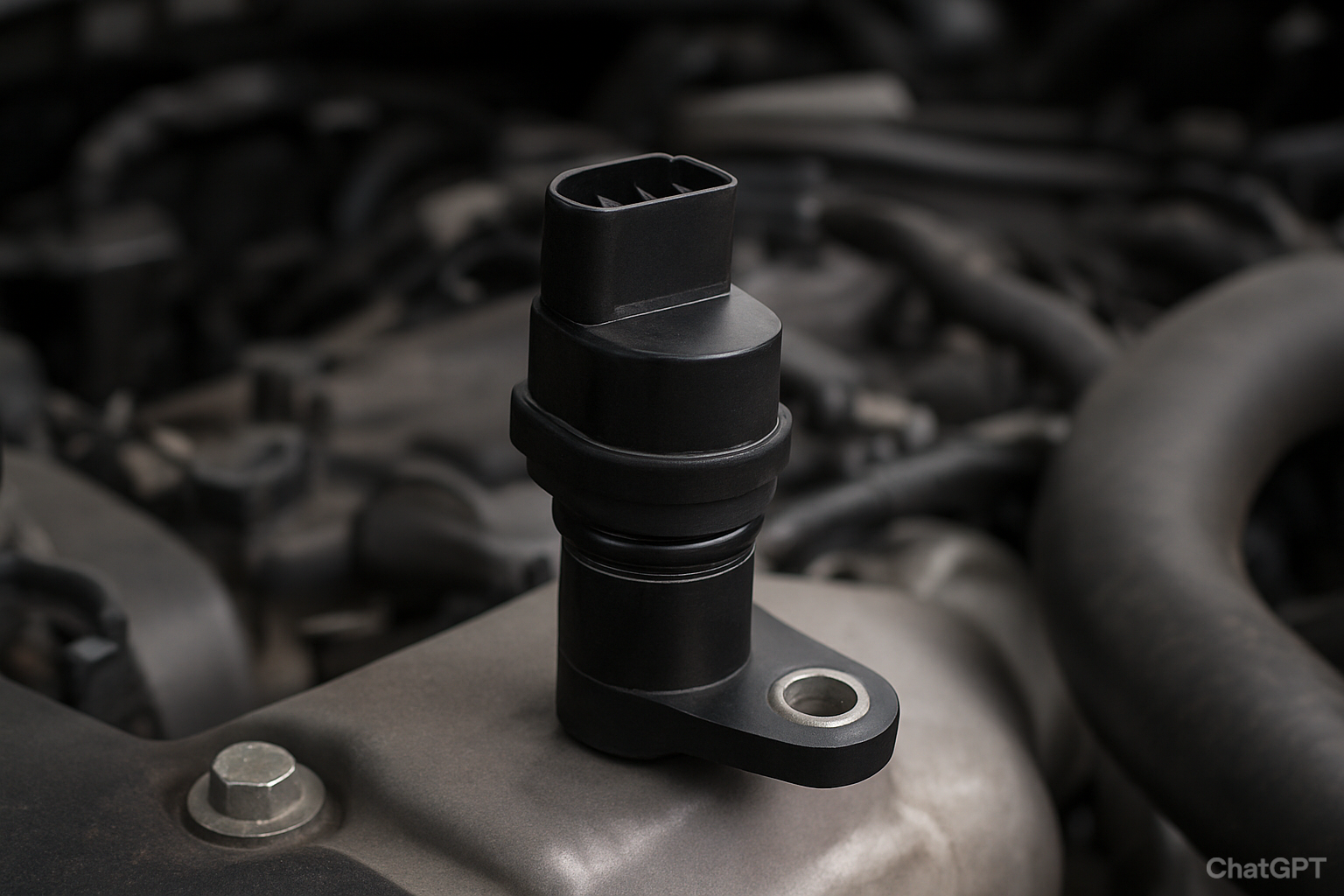




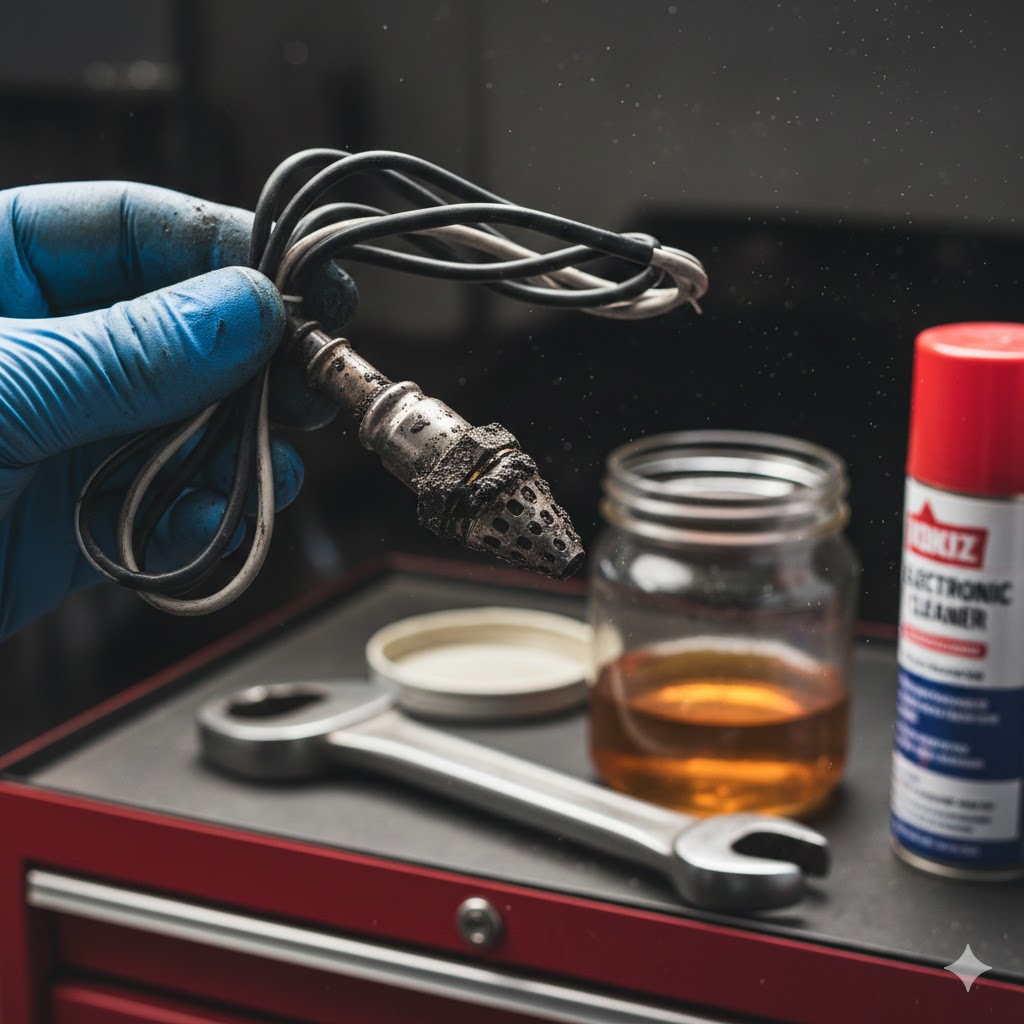

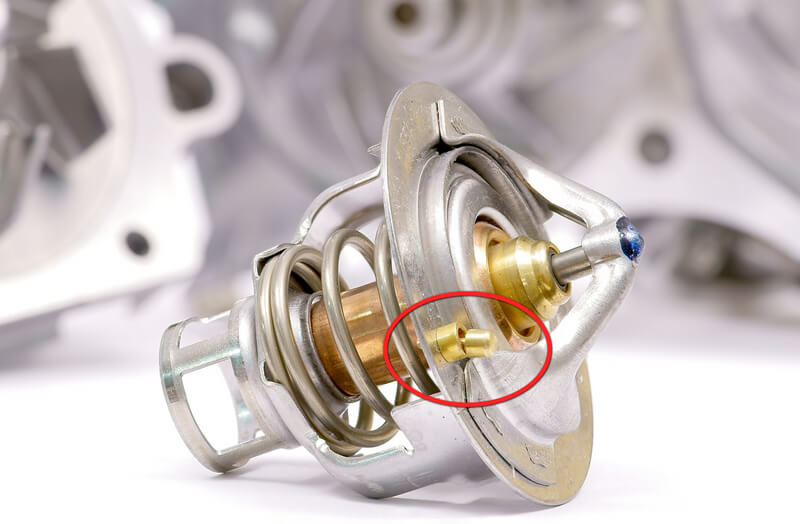


 Car Maintenance Tips5 months ago
 Car Maintenance Tips4 months ago
 Engine Care6 months ago
 Car Maintenance Tips6 months ago
 Electric Vehicles5 months ago
 Car Maintenance Tips5 months ago
 Car Maintenance Tips5 months ago
 Auto Insurance5 months ago