The main reason drivers switch vehicle insurance is to save money, frequently by obtaining cheaper rates from another company. Additional explanations include a shift in personal circumstances, including buying a new vehicle or relocating, the need for alternative coverage alternatives, or a bad experience with their present insurer, such as a claim or an increase in premiums. In this article we are going to consider how to switch auto insurance, step by step guide, best time to switch auto insurance etc.
Drivers switch vehicle insurance companies for a variety of reasons, such as greater coverage alternatives, improved customer service, or cost savings. You can make a better, more educated choice if you know why you might need to switch.
Rising Premium Cost: Saving money is one of the main motivations for switching. It could be time to compare quotes if your auto insurance premiums continue to rise every renewal season, even in the absence of any collisions or claims. Due to internal rate adjustments, inflation, or regional considerations, insurers frequently raise prices; nevertheless, this does not obligate you to continue paying higher rates.
Poor Customer Service: It’s obvious that you should think about switching if your insurer is difficult to get in touch with, unhelpful when filing claims, or takes a long time to respond. Effective communication and dependable assistance are crucial, particularly in the event of an emergency or catastrophe.
Better Coverage Options Elsewhere: Over time, your insurance requirements may change. Maybe you added a new driver to your coverage, started driving farther, or purchased a new vehicle. Switching insurance might help you obtain the right kind of protection if your present provider does not provide flexible or reasonably priced coverage options.
Eligibility For New Discounts: Numerous insurance companies provide attractive discounts, such as reduced rates for limited mileage, safe driver awards, or home and auto insurance packages. You can be rewarded for the same driving habits by another insurer if your present one does not utilize the relevant reductions.
Major Life Changes: Your insurance rate can be greatly impacted by life events like getting married, relocating to a different state, or raising your credit score. For example, moving may alter your risk profile and make other insurers more affordable or more appropriate for your new area.
Unsatisfactory Claims Experience: You should think about switching if you’ve had an unfair claim dismissed or encountered payment delays. Because you’re paying for peace of mind, a trustworthy insurance should manage claims quickly and openly.
Company Policy Changes: Insurers may change terms, eliminate benefits, or alter policies without providing any new value. When this occurs, it’s wise to look into rivals who may still provide full coverage at comparable or lower prices.
Improved Driving Record: You may now be eligible for reduced rates if you have had a spotless driving record for some time or if you have had an accident or ticket removed from your record. You can benefit from your improved risk profile by changing insurers at this time.
Vehicle Upgrade Or Relocation: Your insurance requirements may alter if you move to a new area or purchase a new car. Your existing provider could not provide the lowest rates in your new area due to various risk factors or insurance restrictions.
Lack Of Digital Convenience: Drivers today place a high priority on convenience. Changing to a more tech-savvy provider could enhance your overall experience if your current insurer does not offer a contemporary mobile app, digital claims processing, or simple online payments.
The most appropriate time to switch auto insurance is when it can save you money or improve your coverage without creating gaps. Ideally, switch:
At policy renewal – the easiest time to change insurers before automatic renewal.
After major life changes – such as moving, getting married, or buying a new car.
When your driving record improves – you may now qualify for lower premiums.
After paying off your car loan – you can adjust coverage to fit your new needs.
Mid-policy – if you find a better deal; most insurers allow cancellation anytime.
When service quality drops – poor communication or claims handling is a good reason to leave.
If your premiums increase – shop around when your rates go up without reason.
When adding a teen driver – compare insurers that offer family or safe-driver discounts.
Before auto-renewal – to avoid being locked into a higher rate.
When your finances change – explore cheaper or low-mileage insurance options.
Common Mistakes to Avoid When Switching Your Auto Insurance
If done properly, switching auto insurance can increase your coverage and save you money. Simple errors made by many drivers might result in coverage gaps, needless surcharges, or even increased rates. These are the most typical errors to steer clear of while switching insurance providers.
Canceling Your Old Policy Too Early
Terminating your current policy before the new one begins is one of the worst blunders you can do. Particularly in areas that mandate continuous insurance coverage, even a one-day lapse in coverage may result in fines or penalties. Additionally, if your car is financed, it may result in future rate increases or even issues with your lender. Before terminating the previous policy, always be sure the new one is effective.
Forgetting to Notify Your Lender or Leasing Company
Your insurance coverage must include your lender if your car is financed or leased. Failure to notify them of a transition may result in non-compliance with the policy, problems with the loan agreement, or in severe situations, repossession. After switching, always provide your lender with your updated insurance information right away.
Overlooking Policy Cancellation Fees
If you decide to cancel your policy in the middle of the term, some insurance providers charge a minor cancellation fee. Examine your insurance documentation to learn about any penalties or administrative expenses before making the transfer. To minimize additional fees, it’s usually advisable to time your transition close to renewal. Make sure you receive the prorated refund of unused premiums that many insurers offer.
Not Confirming Your New Coverage Details
Different terms, deductibles, and limits are provided by each insurer. Don’t assume that the coverage in your new insurance is the same or better by default. Examine your deductibles, comprehensive and collision coverage, liability limits, and any add-ons like roadside assistance or a rental car. Never compare prices alone; always check coverage levels as well.
Providing Inaccurate Information
Accuracy is important when applying for new coverage or getting estimates. Inaccurate information such as your address, mileage, or driving history may result in policy cancellations, claim denials, or later increased adjusted premiums. For trustworthy quotes, give precise information rather than guessing or rounding.
Letting a Coverage Gap Occur
For insurers, even a brief interruption in coverage indicates increased risk. Your premiums may increase as a result from future insurers. Keep documentation of continuous coverage on file and ensure that your new policy starts before your previous one expires to avoid this.
Ignoring Discounts, you may Qualify for
Many drivers change their insurance without first looking for any possible discounts. You can lose out on savings for paperless billing or full payment, safe driver or low-mileage discounts, and the opportunity to combine home and auto insurance. To optimize your savings, ask your new insurer to apply any possible discounts before making the transition.
Focusing Only on Price
It’s not always better to pay less. Certain inexpensive plans have inadequate customer support or restricted coverage. Affordability and dependability should be balanced rather than just the lowest rate. Examine client testimonials, claim satisfaction ratings, and the business’s ratings for financial stability.
Not Getting Written Confirmation of Cancellation
Unwanted automatic renewals and uncertainty might result from spoken cancellations. Always ask your previous insurer for written confirmation, and save it for your records. In the event that you are later charged for an insurance you believed to have canceled, this safeguards you.
Forgetting to Update Your Insurance Documents
Make sure the new insurance is included on your vehicle registration after you switch. Make sure your employer or ridesharing provider has your most recent insurance details, and have your updated digital ID card in your car or on your phone.
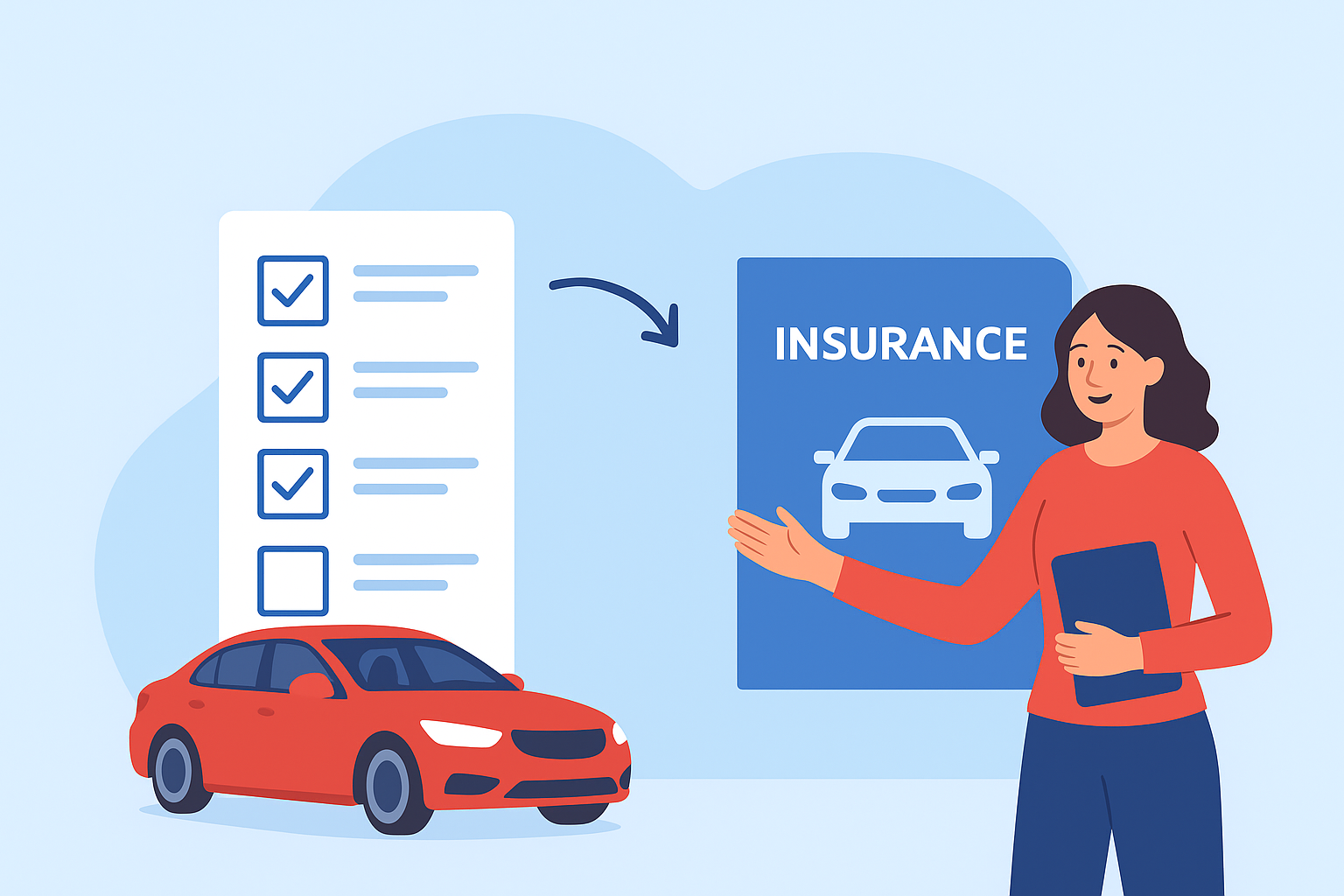
Step-by-Step Guide: How to Switch Auto Insurance
You might get greater coverage or save money by switching auto insurance. If done carefully, the method is straightforward. A comprehensive guide that takes you through every step, from planning to final confirmation, is provided below.
Decide why you want to switch
Finding out why you are switching is the first step. You might wish to combine your home and auto insurance to save money, get better coverage, get better customer service, or get a lower price. People may switch because they desire different deductibles or policy terms, relocate to a different state, or purchase a new car.
Gather your current policy Information
Next, gather all of the information from your existing policy. Coverage limitations, deductibles, start and renewal dates, policy number, insurance company name, and premium amount are all included in this. Additionally, you ought to have your car’s VIN, make, model, year, and mileage. Keep driver information close at hand, such as license numbers and past tickets or accidents. Make sure you have the contact details for your lender or leasing business if your car is financed or leased.
Determine the Coverage you need
Examine your coverage requirements prior to comparing quotations. Start by looking out the minimal liability standards in your state. Choose whether you want extra coverage for things like medical payments, roadside assistance, gap insurance, uninsured or underinsured driver protection, or rental reimbursement. Consider the collision and comprehensive coverage deductibles that you are comfortable with. Prepare that information as well if you intend to combine your renter’s or homeowner’s insurance with your auto insurance.
Shop and Compare Quotes
Before terminating your current policy, start comparing quotes. Whether via independent agents, direct websites, or online comparison tools, get at least three estimates from respectable insurance providers. For a fair comparison, be sure that the coverage levels and deductibles used in each quote are the same. Inquire about savings for low mileage, anti-theft equipment, automatic payments, safe driving, having numerous cars, and being a good student. It’s a good idea to look up financial strength ratings and consumer evaluations on sites like AM Best or J.D. Power.
Compare total Cost and value
Avoid concentrating solely on pricing when comparing quotes. Examine each policy’s total worth by considering its reputation for managing claims, customer support, and any extra costs. In the event of an accident, think about how the deductible would impact your out-of-pocket expenses. If the company offers fewer hidden fees or speedier claim response, a somewhat higher premium can be worth it.
Chose and Lock in your new policy
After you’ve selected the greatest choice, thoroughly go over all the information. Make sure your new policy matches or improves upon your old coverage in terms of liability limits, deductibles, and additional protections. Verify your new policy’s effective date and make sure it begins on the same day as your previous policy expires. Verify that the new policy accurately lists your lender if your vehicle is financed.
Activate your new policy
After deciding on a new insurance provider, pay the initial premium and complete any required paperwork. Ask for a written confirmation that includes your policy number, start date, and coverage specifics. Keep the declarations page, which is the official insurance documentation.
Cancel old policy
Get in touch with your former insurance provider to terminate your policy as soon as your new coverage takes effect. To ensure there is no coverage gap, let them know when your new policy goes into effect. Request written proof that your previous policy has been formally terminated, and inquire about any possible cancellation costs or refund policies.
Notify your lender or leasing company
Inform your lender of your new insurance coverage if your vehicle is leased or financed. A copy of your updated declarations page should be sent to them. Lienholders typically receive proof from insurance companies automatically, but it’s a good idea to double check.
Confirm continuous coverage
Verify again that the dates of the old and new policies do not overlap. If an accident happens during a brief interruption in coverage, it may result in higher future premiums or legal issues.
Update your document
Your new insurance ID cards should be kept on your phone and in your car. Update your records by taking the required actions if your state requires insurance verification for registration. Additionally, keep the contact details for your insurer close at hand in case of an emergency.
Monitor payments and refunds
Verify that your previous insurer has ceased billing you and that any prorated refund has been given by keeping an eye on your bank or credit card accounts. Verify that the billing for your new policy is correct and that, if you choose to use automated payments, they are configured correctly.
Follow up after switching
Copies of your new policy documentation and cancellation confirmation should be kept in a secure location following the transition. Having both contracts will make it easier to determine which policy applies in the event of an accident that occurs close to your transfer date. Every year or following a significant life transition, like relocating, purchasing a new car, or getting married, review your insurance.
Does Switching Auto Insurance Affect Your Credit Score or Coverage?
No, switching vehicle insurance doesn’t have a negative impact on your coverage or credit score because quotes are obtained through a “soft search” and switching doesn’t result in a coverage gap as long as your new policy begins on the same day your old one expires. If you decide to pay by installments with the new provider and opt for monthly payments, a “hard search” will take place, which may have an effect on your credit score. A “soft search” is only visible to you and has no effect on your score.
FAQs About Switching Auto Insurance
Can I switch auto insurance anytime?
Yes, even if your current policy has just begun or is halfway through its term, you are free to change vehicle insurance at any time. There is no penalty for switching more than once, and you can switch whenever you choose without waiting for your policy to expire. Get quotations from a new insurance provider before switching, and make sure there are no coverage gaps by coordinating the cancellation of your previous policy with the beginning of your new one.
Will I lose my no-claims bonus?
No, since your no-claims bonus (NCB) is yours and may be transferred to a new provider, you won’t lose it if you change vehicle insurance. Your renewal or cancellation letter typically include verification of your no-claims history, which you will need to present to your new insurer. You might have to pay more or have your insurance canceled if you are unable to produce proof.
Do I need to notify my DMV?
Unless the DMV sends you a letter asking for details about your new insurance coverage, you are not required to notify them of your insurance company change. Your new liability coverage must be electronically reported to the DMV by your new insurance provider.
How long does it take to switch insurance companies?
Depending on the type of insurance, switching can be completed in a few hours, frequently on the same day. You can cancel the previous policy after starting the new one, but make sure there is no coverage gap. Transferring your previous waiting periods for health insurance could take up to 14 days, but most insurers will take care of the changeover with your previous provider.
Can I switch insurance if I still owe on my car loan?
It is possible to change insurance while still having a car loan balance, but you will need to let the new insurer know about the change and name the lender as a loss payee. Because the lender needs proof of this coverage and could otherwise buy more costly “force-placed” insurance on your behalf, you must continue to maintain the required coverage levels outlined in your loan agreement until the loan is paid off.
Conclusion
If you want greater coverage, better service, or cheaper rates, switching vehicle insurance is a wise choice. If you carefully compare prices, make sure you have your new policy before canceling your old one, and stay clear of coverage gaps, the process is straightforward. Always prioritize value over price to make sure you’re completely covered. Regularly review your policy and make a switch when it makes more sense financially and emotionally.



 Car Maintenance Tips5 months ago
 Car Maintenance Tips4 months ago
 Engine Care6 months ago
 Car Maintenance Tips6 months ago
 Car Maintenance Tips6 months ago
 Electric Vehicles5 months ago
 Car Maintenance Tips5 months ago
 Car Maintenance Tips5 months ago